Why You Need Lumbar Support in Office Chairs
The Importance of Lumbar Support in Office Chairs
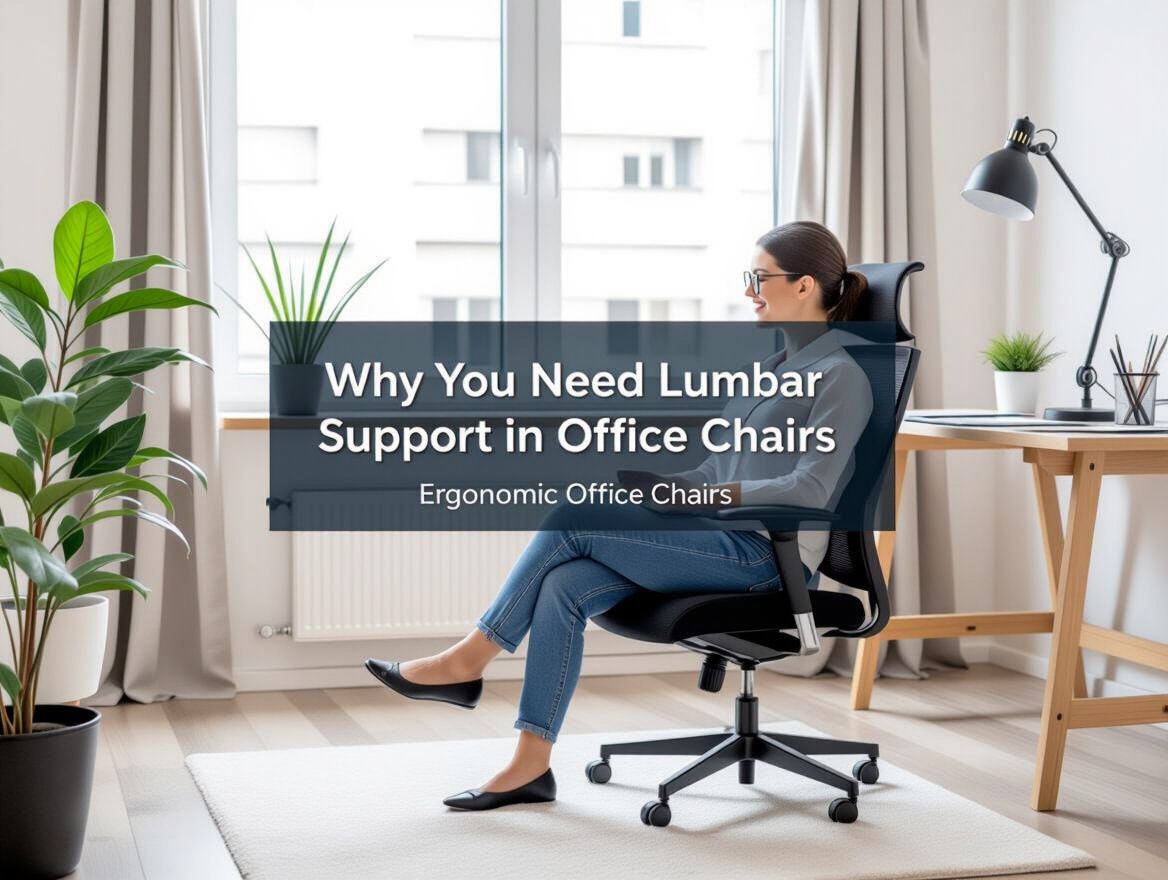
Lumbar support is a critical feature in ergonomic office chairs designed to provide support to the lower back, helping to maintain proper spinal alignment. This support reduces the stress on the lumbar spine, which is particularly important for individuals who spend long hours seated. By promoting a neutral spine position, lumbar support can significantly alleviate discomfort and prevent chronic back pain.
The connection between lumbar support and overall health extends beyond mere comfort. Prolonged sitting without adequate back support can lead to muscle fatigue, poor posture, and long-term health issues. Investing in an ergonomic lumbar support office chair can enhance productivity by minimizing distractions caused by discomfort.
When selecting an office chair, consider the following factors related to lumbar support:
- Adjustability: Look for chairs that offer adjustable lumbar support to cater to individual spinal curvature and height.
- Material: High-quality foam or gel padding can provide better support and comfort over extended periods.
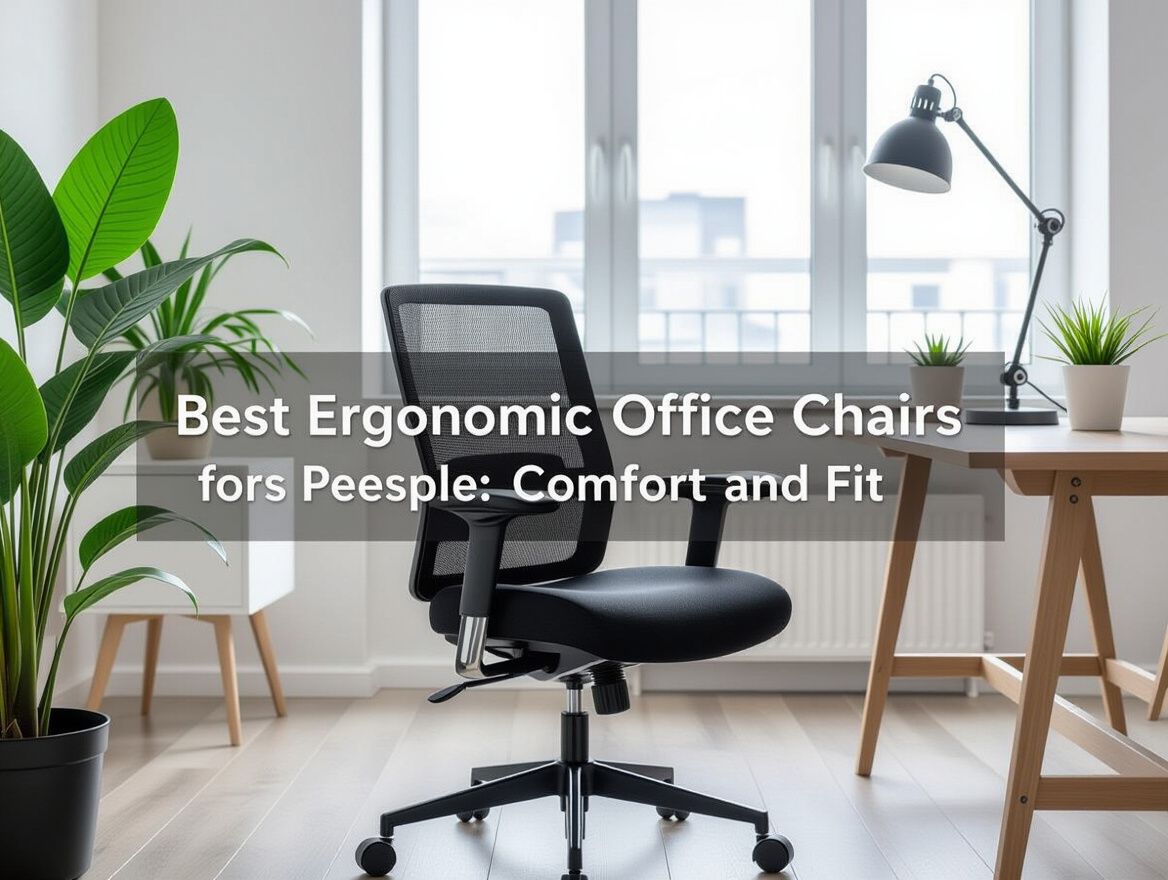
- Design: Chairs with a contoured backrest that mimics the natural curve of the spine can enhance support.
Understanding these elements can guide you in choosing an office chair that not only alleviates back pain but also contributes positively to your overall well-being during work hours.
Key Features to Look for in Ergonomic Lumbar Support Office Chairs
When selecting an ergonomic lumbar support office chair, it's essential to focus on specific features that can significantly enhance comfort and reduce back pain during long working hours. Here are the crucial elements to consider:
-
Adjustability Options:
- Height: Look for chairs with adjustable seat heights to ensure your feet rest flat on the floor, promoting proper posture.
- Depth: A seat depth adjustment allows you to position the seat to support your thighs without restricting blood flow.
- Angle: Chairs that offer recline options can help relieve pressure on your lower back and encourage a more relaxed sitting position.
-
Material and Build Quality:
- Breathable Fabrics: Choose materials that allow air circulation to keep you cool and comfortable.
- Sturdy Frame: A well-constructed chair will provide lasting support and withstand daily use without sagging.
- Cushioning: Look for high-density foam padding that provides comfort without losing its shape over time.
-
Additional Features:
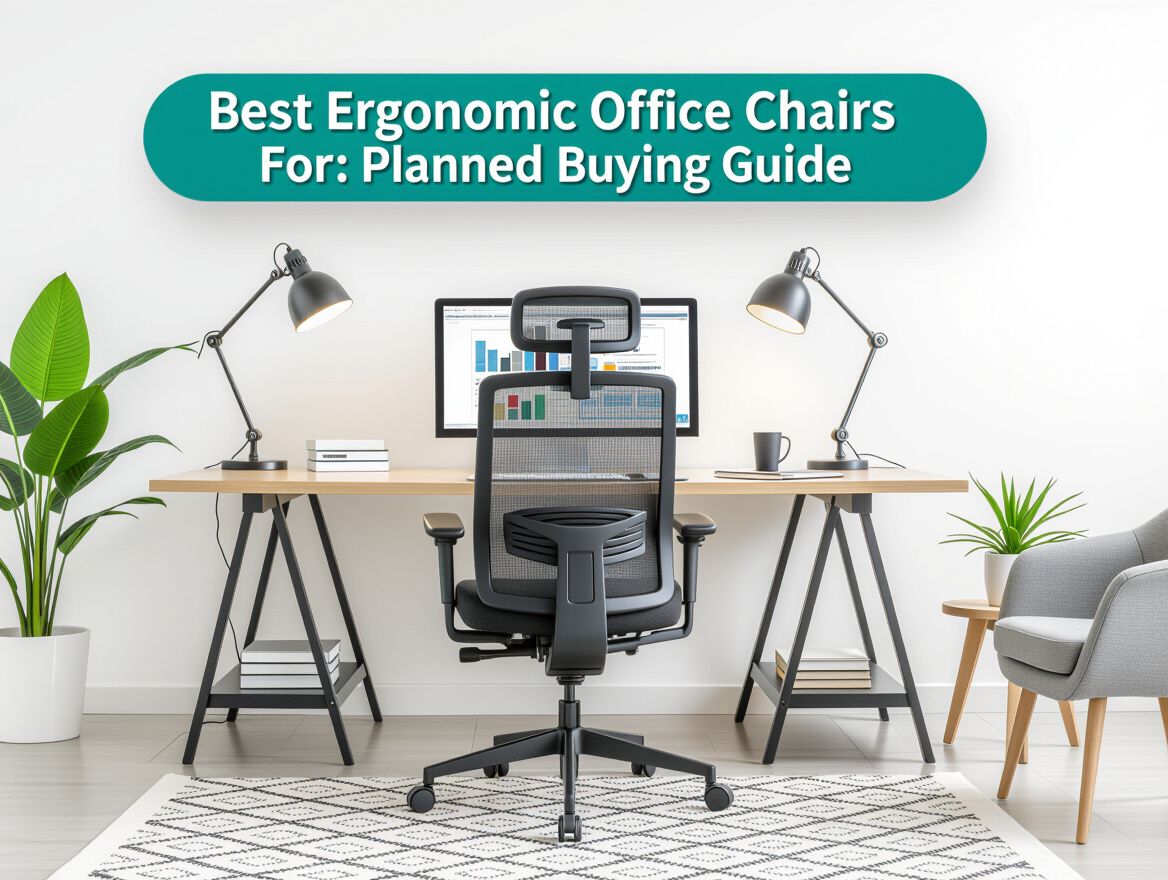
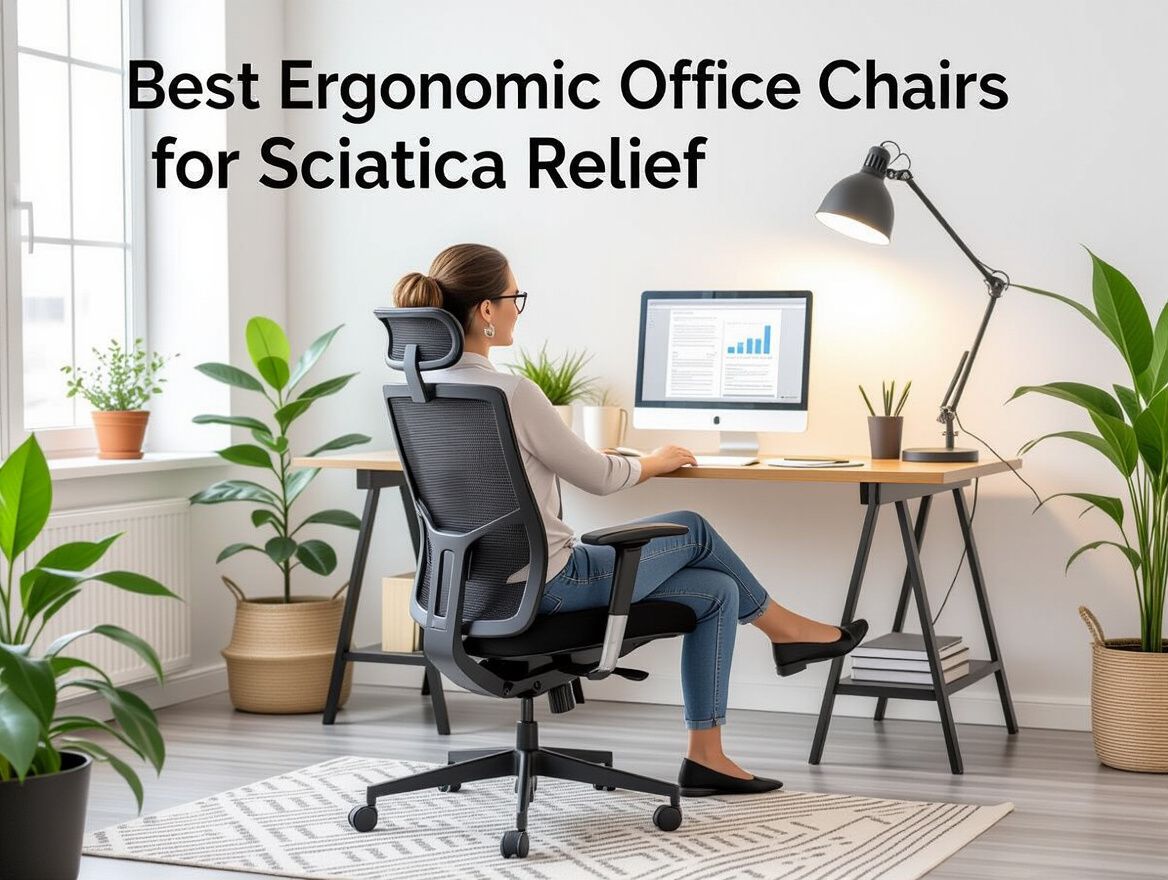
- Headrest: An adjustable headrest can support your neck and reduce strain during prolonged sitting.
- Armrests: Opt for chairs with adjustable armrests that can be positioned to prevent shoulder and neck discomfort.
These features not only contribute to better lumbar support but also enhance overall ergonomic performance, making it easier to maintain focus and productivity throughout your workday. When evaluating options, consider how these features align with your personal comfort preferences and workspace requirements.
How Lumbar Support Affects Comfort and Health
Proper lumbar support in office chairs plays a crucial role in maintaining spinal alignment and reducing strain during prolonged sitting. The lumbar region of the spine, which curves inward, requires adequate support to prevent discomfort and potential long-term health issues. Here’s how effective lumbar support contributes to overall comfort and well-being:
-
Reduction of Strain on the Spine: Ergonomic lumbar support helps to fill the gap between the lower back and the chair, promoting a neutral spine position. This reduces excessive pressure on the intervertebral discs and surrounding muscles, which can lead to chronic pain if left unaddressed.
-
Improved Posture: Chairs designed with lumbar support encourage users to sit upright rather than slouch. Good posture not only enhances comfort but also aids in better circulation and reduces fatigue.
-
Long-term Health Benefits: Investing in ergonomic lumbar support can lead to significant long-term health improvements. Consistent use of supportive chairs may lower the risk of developing musculoskeletal disorders, such as lower back pain, which is a common complaint among office workers.
-
Enhanced Productivity: Comfort directly influences productivity levels. When individuals are seated in chairs that support their lumbar region, they are less likely to experience discomfort that can distract from work tasks, leading to increased focus and efficiency.
In summary, selecting an ergonomic office chair with adequate lumbar support is essential for fostering a healthy work environment. Consider your specific needs, such as the duration of sitting and any pre-existing conditions, to ensure you choose a chair that provides the necessary support for your back health.
Ergonomic Chairs vs. Standard Office Chairs: A Comparison
When selecting an office chair, understanding the differences between ergonomic chairs and standard office chairs is crucial, particularly regarding lumbar support. Ergonomic chairs are designed with the user’s comfort and health in mind, offering features that promote better posture and reduce the risk of back pain during long hours of sitting.
Design and Support
-
Lumbar Support: Ergonomic chairs typically include adjustable lumbar support that conforms to the natural curve of the spine. This feature helps maintain proper alignment and reduces strain on the lower back. In contrast, standard office chairs often lack this support or provide inadequate fixed options.
-
Adjustability: Ergonomic chairs usually offer multiple adjustment points, including seat height, backrest angle, and armrest height. This customization allows users to find their ideal sitting position, whereas standard chairs may have limited or no adjustability, leading to discomfort over time.
User Experiences and Comfort Levels
-
Comfort Over Time: Users of ergonomic chairs often report higher satisfaction levels due to the enhanced comfort and support. The ability to adjust the chair according to individual needs can significantly improve comfort during extended work sessions.
-
Back Pain Reduction: Many individuals transitioning from standard chairs to ergonomic options experience a notable decrease in back pain. Ergonomic designs are specifically aimed at alleviating pressure on the spine, contributing to overall well-being during long hours of work.
Trade-offs and Considerations
-
Cost: Ergonomic chairs tend to be more expensive than standard office chairs due to their advanced features and materials. However, the investment can lead to fewer health issues and increased productivity, making it a worthwhile consideration.
-
Learning Curve: Some users may find the numerous adjustments in ergonomic chairs overwhelming at first. It may take time to find the right settings, but the long-term benefits often outweigh the initial adjustment period.
In summary, while standard office chairs may serve basic needs, ergonomic chairs provide essential support that can significantly enhance comfort and reduce the risk of back pain. When choosing an office chair, consider these differences and how they align with your specific needs and workspace requirements.
Potential Risks and Trade-offs When Choosing an Ergonomic Chair
Selecting an ergonomic lumbar support office chair comes with its own set of risks and trade-offs that can affect your long-term comfort and productivity. Understanding these factors is crucial before making a decision.
Over-Reliance on Lumbar Support
While lumbar support is designed to promote proper spinal alignment, there is a risk of becoming overly reliant on it. This can lead to a lack of engagement in maintaining good posture without the chair's assistance. It’s essential to balance the use of lumbar support with regular posture checks and movements throughout the day. Consider incorporating stretches or standing breaks to prevent dependency on the chair's support.
Cost vs. Quality Concerns
Another significant trade-off involves the relationship between cost and quality. While it may be tempting to opt for budget-friendly ergonomic chairs, lower-priced options might compromise on essential features like adjustable lumbar support and overall build quality. Investing in a chair that offers durable materials and better ergonomics can lead to improved comfort and longevity, ultimately providing better value over time. Be prepared to weigh the initial cost against the potential benefits of enhanced comfort and reduced risk of back pain.
Fit for Individual Needs
Finally, it's essential to acknowledge that not all ergonomic chairs will suit every individual. Factors such as body shape, height, and specific discomfort areas can influence how well a chair fits and functions. It's advisable to prioritize chairs that offer customization options to ensure that the lumbar support aligns with your unique body mechanics.
By considering these potential risks and trade-offs, you can make a more informed decision when selecting an ergonomic office chair that best meets your needs.
Frequently Asked Questions About Ergonomic Lumbar Support Office Chairs
What are the signs that an office chair lacks proper lumbar support?
Identifying a chair that fails to provide adequate lumbar support can be crucial for maintaining comfort and preventing back pain. Here are some key indicators:
- Slouching or Leaning: If you find yourself slouching or leaning forward to reach your desk, your chair may not be providing the necessary support for your lower back.
- Back Pain: Consistent discomfort or pain in the lower back after prolonged sitting can be a sign that your chair lacks proper lumbar support.
- Flat Backrest: A backrest that is flat or does not contour to the natural curve of your spine is often insufficient in supporting the lumbar region.
- Inability to Adjust: If the chair lacks adjustable lumbar support features, it may not accommodate your unique body shape and spinal alignment.
How does lumbar support impact productivity?
The relationship between lumbar support and productivity is significant, particularly for those who spend long hours at a desk. Consider the following points:
- Reduced Discomfort: Proper lumbar support minimizes discomfort, allowing you to focus on tasks without the distraction of back pain.
- Improved Posture: A well-designed chair encourages better posture, which can lead to increased energy levels and reduced fatigue throughout the workday.
- Enhanced Focus: By alleviating physical strain, lumbar support can enhance concentration and cognitive function, leading to improved work performance.
- Longer Sitting Tolerance: Chairs with adequate lumbar support enable longer periods of comfortable sitting, which can be beneficial for productivity in roles requiring extended desk time.
Understanding these aspects can help you make informed decisions when selecting an ergonomic lumbar support office chair that meets your specific needs.
Making an Informed Decision on Ergonomic Lumbar Support Office Chairs
Understanding the importance of lumbar support is crucial when selecting an ergonomic office chair. The right lumbar support can alleviate discomfort, enhance productivity, and contribute to long-term health benefits. Before making a purchase, consider your specific needs and preferences to ensure the chair you choose is the best fit for your work environment.
Here are key factors to evaluate:
- Personal Comfort: Assess how different lumbar support options feel during use. Some chairs offer adjustable lumbar support, allowing for customization based on your body shape and sitting posture.
- Work Style: Consider your typical work activities. If you spend long hours in front of a computer, a chair with excellent lumbar support can help maintain comfort and focus.
- Space and Mobility: Evaluate your workspace. Ensure the chair fits well within your environment and allows for easy mobility, especially if you need to move frequently between tasks.
- Durability and Maintenance: Look for materials that are both comfortable and easy to maintain. High-quality fabrics and padding can enhance the chair's longevity.
By reflecting on these criteria and understanding the trade-offs involved, you can make a more informed decision that aligns with your ergonomic needs, ultimately leading to a more comfortable and productive work experience.

More in Ergonomic Office Chairs
View All