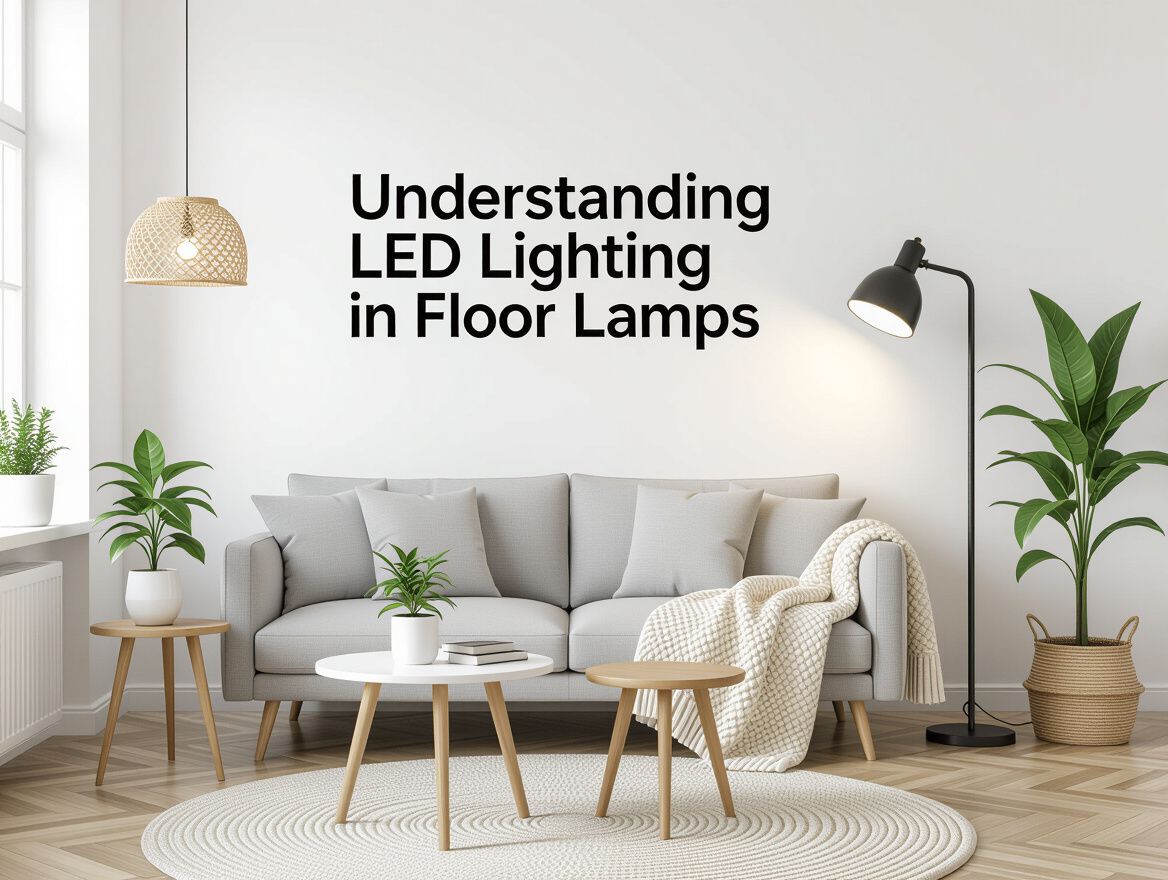
Understanding LED Lighting in Floor Lamps
Introduction to LED Lighting in Floor Lamps
LED lighting technology has transformed the way we illuminate our spaces, particularly through floor lamps. Unlike traditional incandescent bulbs, LEDs (Light Emitting Diodes) offer numerous advantages that enhance both functionality and aesthetics in home and office environments.
Overview of LED Lighting Technology
LEDs are known for their energy efficiency and longevity. They consume significantly less power than incandescent or fluorescent bulbs, which can lead to substantial savings on energy bills. Additionally, LED bulbs can last up to 25,000 hours or more, reducing the frequency of replacements and maintenance.
Importance of LED in Modern Floor Lamps
Incorporating LED technology into floor lamps provides several benefits:
- Energy Efficiency: LEDs use up to 80% less energy than traditional bulbs, making them an eco-friendly choice.
- Heat Management: LEDs emit very little heat compared to incandescent bulbs, making them safer and more comfortable to use in enclosed spaces.
- Variety of Designs: With LEDs, manufacturers can create sleek, modern designs, allowing for greater versatility in home decor.
- Adjustable Brightness: Many LED floor lamps come with dimming options, enabling users to customize lighting levels based on their needs.
When considering an LED floor lamp, it's essential to weigh these advantages against your specific lighting needs and decor style to find the perfect fit for your space.
Benefits of LED Lighting in Floor Lamps
LED lighting in floor lamps offers a variety of advantages that can enhance both functionality and aesthetics in your home or office. Understanding these benefits can help you make an informed decision when selecting the right LED floor lamp for your needs.
-
Energy Efficiency and Cost Savings: LED bulbs consume significantly less energy compared to traditional incandescent or fluorescent bulbs. This efficiency translates to lower electricity bills, making LED floor lamps a cost-effective choice over time. They typically use up to 75% less energy, which not only benefits your wallet but also contributes to environmental sustainability.
-
Longevity and Durability: One of the standout features of LED technology is its impressive lifespan. LED bulbs can last up to 25,000 hours or more, reducing the frequency of replacements. This durability is particularly advantageous in high-use areas, as it minimizes maintenance efforts and costs over the long term.
-
Quality of Light and Color Temperature Options: LED floor lamps provide superior light quality, offering a range of color temperatures from warm to cool white. This versatility allows you to create the desired ambiance in your space, whether you need bright, focused light for reading or softer, warmer light for relaxation. Additionally, many LED lamps have dimming capabilities, enabling you to adjust the brightness to suit various activities and moods.
When considering an LED floor lamp, it's essential to weigh these benefits against your specific needs and preferences. Understanding how energy efficiency, longevity, and light quality fit into your lifestyle will guide you in making the best choice for your home or office lighting.
Key Buying Criteria for LED Floor Lamps
When selecting LED lighting floor lamps, it's essential to evaluate various factors to ensure you choose a model that meets your needs. Here are some key criteria to consider:
-
Brightness and Lumens Output:
- Assess the lumens rating, which indicates the brightness level. For general room lighting, look for lamps with at least 800 lumens, while task lighting may require 1,000 lumens or more.
- Consider your space size and the desired ambiance. Higher lumens provide more light but can be harsh in smaller rooms.
-
Adjustability and Design Features:
- Look for adjustable necks or arms that allow you to direct light where you need it. This is particularly useful for reading or working.
- Consider the design and aesthetics of the lamp. It should complement your interior decor while providing functionality.
-
Control Options:
- Explore lamps with dimmable features, allowing you to adjust brightness based on the time of day or activity.
- Smart features can enhance convenience. Some LED floor lamps are compatible with smart home systems, enabling remote control and scheduling via mobile apps.
By weighing these factors, you can make a more informed decision when purchasing LED lighting floor lamps that fit your specific requirements and enhance your living or working space.
Trade-offs and Considerations
When considering LED lighting floor lamps, it’s essential to weigh the benefits against potential drawbacks. Here are some key trade-offs and considerations to keep in mind:
-
Initial Cost vs. Long-Term Savings: LED floor lamps often have a higher upfront cost compared to traditional lighting options. However, they are more energy-efficient, which can lead to significant savings on electricity bills over time. Assess your budget and consider how long you plan to use the lamp to determine if the initial investment is worthwhile.
-
Compatibility with Existing Décor: LED lamps come in various designs and styles, but not all may fit seamlessly with your current home or office décor. Before making a purchase, consider the aesthetic of your space. Look for lamps that complement your existing furniture and color scheme to ensure a cohesive look.
-
Potential for Color Rendering Issues: While many LED lamps offer excellent brightness and energy efficiency, some may struggle with color rendering, which can affect how colors appear in your space. This is particularly important in settings where accurate color representation is essential, such as art studios or makeup areas. Review specifications related to Color Rendering Index (CRI) to find a lamp that meets your needs.
By carefully evaluating these factors, you can make a more informed decision when selecting LED lighting floor lamps that best suit your requirements and preferences.
Finding the Right Fit for Your Space
Choosing the right LED lighting floor lamp for your home or office requires careful consideration of several factors that align with your specific needs and aesthetic preferences. Here’s how to navigate the selection process effectively:
Assessing Room Size and Lighting Needs
- Room Dimensions: Measure the height and width of your space to ensure the lamp fits well without overwhelming the area. Taller lamps can provide better illumination in larger rooms, while compact designs work well in smaller spaces.
- Lighting Purpose: Determine the primary function of the lamp. Will it serve as a task light for reading or working, or will it provide ambient lighting to create a cozy atmosphere? This will influence the brightness and type of LED bulb you choose.
Matching Lamp Style with Interior Design
- Design Harmony: Consider the existing decor style of your space. Whether your interior is modern, traditional, or eclectic, select a lamp that complements your furniture and color scheme.
- Material and Finish: LED floor lamps come in various materials such as metal, wood, or plastic. The finish (matte, glossy, or brushed) should also resonate with your overall design aesthetic.
Considering the Purpose of the Lighting
- Task Lighting: For activities like reading or crafting, look for lamps with adjustable brightness or directional heads that focus light where you need it most.
- Ambient Lighting: If the goal is to create a warm and inviting atmosphere, consider lamps with softer light diffusion and a wider beam angle to illuminate larger areas without harsh brightness.
By taking the time to assess these criteria, you can make a well-informed decision that enhances both the functionality and aesthetic appeal of your space with the right LED lighting floor lamp.
Frequently Asked Questions about LED Floor Lamps
When considering LED lighting floor lamps, many consumers have questions about their unique characteristics and maintenance requirements. Below are some common queries that can help clarify your decision-making process.
What makes LED floor lamps different from traditional lamps?
LED floor lamps differ from traditional lamps primarily in their light source and energy efficiency. Here are some key distinctions:
- Energy Consumption: LEDs use significantly less energy compared to incandescent and fluorescent bulbs, resulting in lower electricity costs.
- Lifespan: An LED bulb can last up to 25,000 hours or more, whereas traditional bulbs may only last 1,000 hours.
- Heat Emission: LEDs generate much less heat, making them safer to touch and reducing the risk of overheating in enclosed spaces.
- Light Quality: Many LED lamps offer adjustable color temperatures, allowing users to customize the ambiance of their environment.
How to maintain LED floor lamps?
Maintaining LED floor lamps is relatively straightforward, but there are some best practices to ensure longevity:
- Regular Cleaning: Dust and dirt can accumulate on lamps, affecting brightness. Use a soft, dry cloth to clean the lamp regularly.
- Check Connections: Ensure that all connections are secure and that the lamp is plugged into a functioning outlet.
- Avoid Overloading Circuits: If using multiple lamps on the same circuit, be mindful of the total load to prevent tripped breakers.
Are LED floor lamps suitable for all types of lighting?
LED floor lamps are versatile and can be used in various lighting scenarios, but there are considerations to keep in mind:
- Ambient vs. Task Lighting: While many LED floor lamps are excellent for general ambient lighting, some may not provide sufficient brightness for task-oriented activities like reading or working. Look for lamps with adjustable brightness or those specifically designed for task lighting.
- Decor Compatibility: LED floor lamps come in numerous styles, but it’s essential to choose one that complements your existing decor. Ensure that the lamp’s design and color align with your aesthetic preferences.
Understanding these aspects can help you make informed choices when selecting LED floor lamps for your home or office, ensuring that they meet your lighting needs effectively.
Conclusion: Making an Informed Decision
As you consider purchasing an LED lighting floor lamp, it's important to recap the key benefits and considerations that can guide your decision. LED floor lamps stand out for their energy efficiency, longevity, and innovative design options. They can significantly reduce energy consumption and maintenance costs, making them an appealing choice for both home and office environments.
However, there are important trade-offs to consider:
- Initial Cost vs. Long-Term Savings: While LED lamps may have a higher upfront cost, their longevity and reduced energy consumption can lead to savings over time.
- Light Quality and Color Temperature: Different LEDs offer varying qualities of light, which can affect the ambiance of your space. It's essential to choose a lamp that provides the right color temperature for your needs.
- Dimming Features: If you value adjustable lighting, ensure the lamp includes dimming capabilities, as not all LED floor lamps offer this feature.
In final thoughts, selecting the right LED floor lamp involves balancing these benefits and trade-offs with your specific lighting needs and aesthetic preferences. By taking the time to evaluate these factors, you can make an informed decision that enhances your space while providing the functionality you desire.