Understanding Ergonomic Office Chairs
What is an Ergonomic Office Chair?
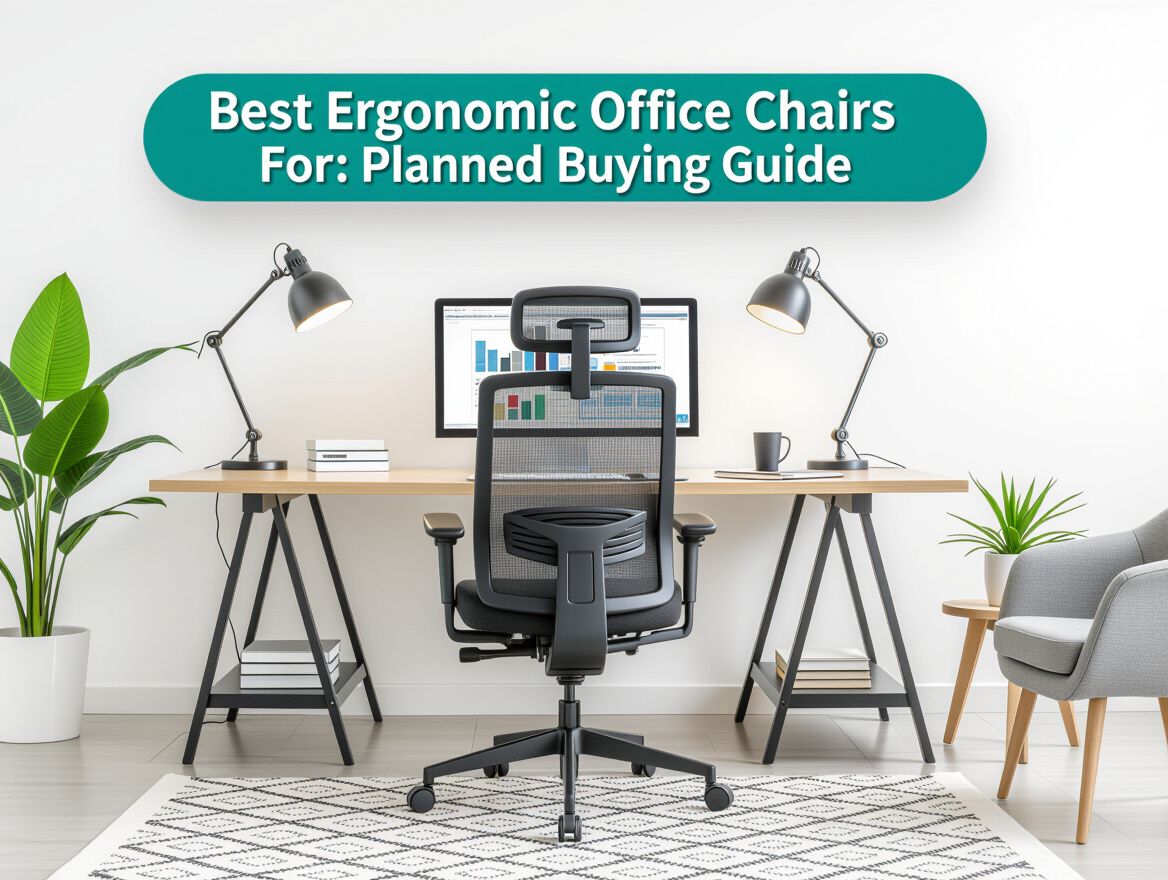
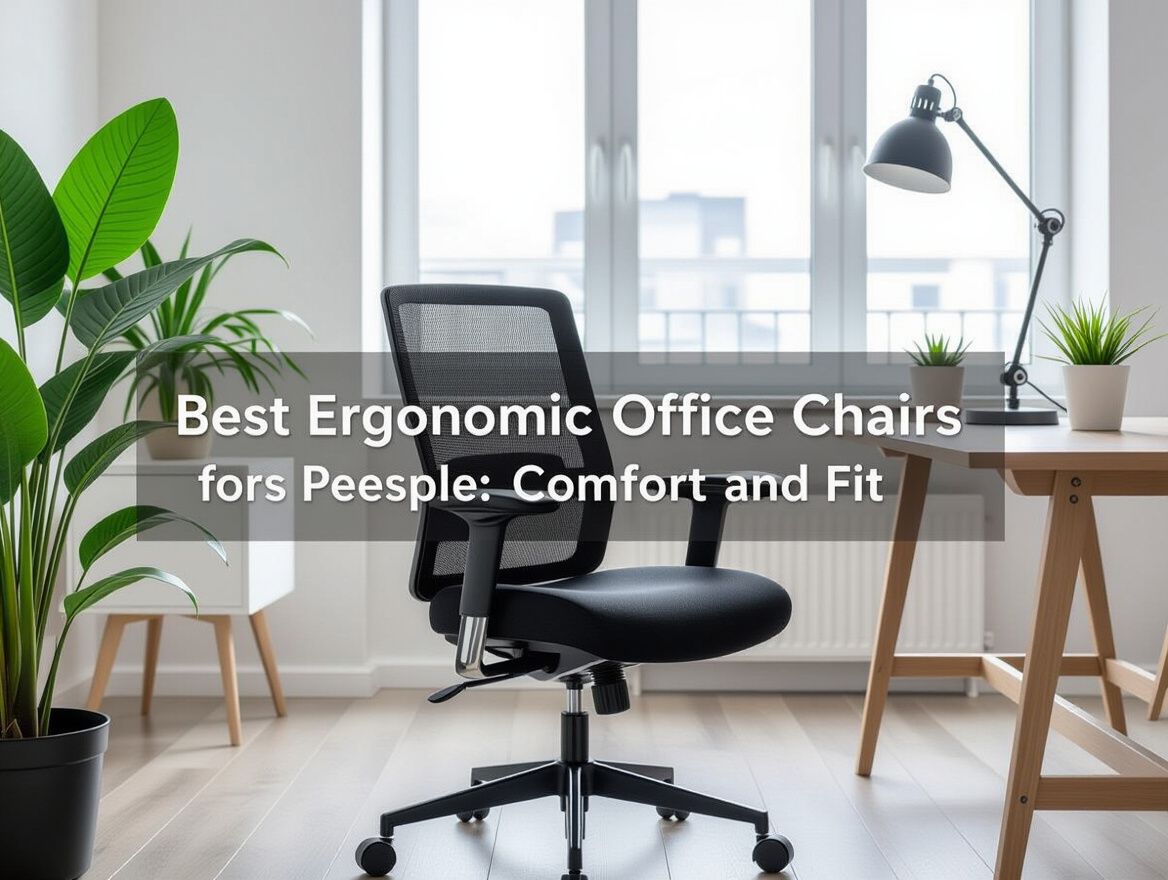
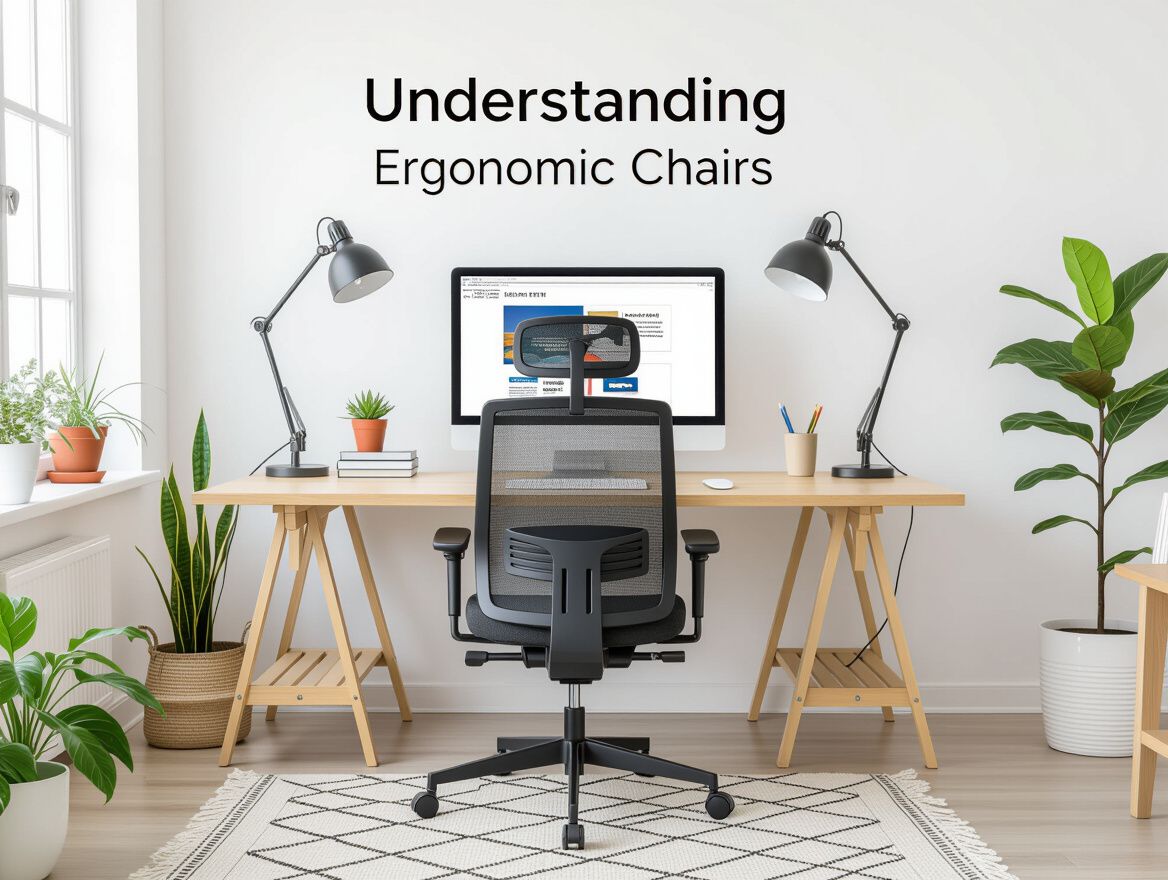
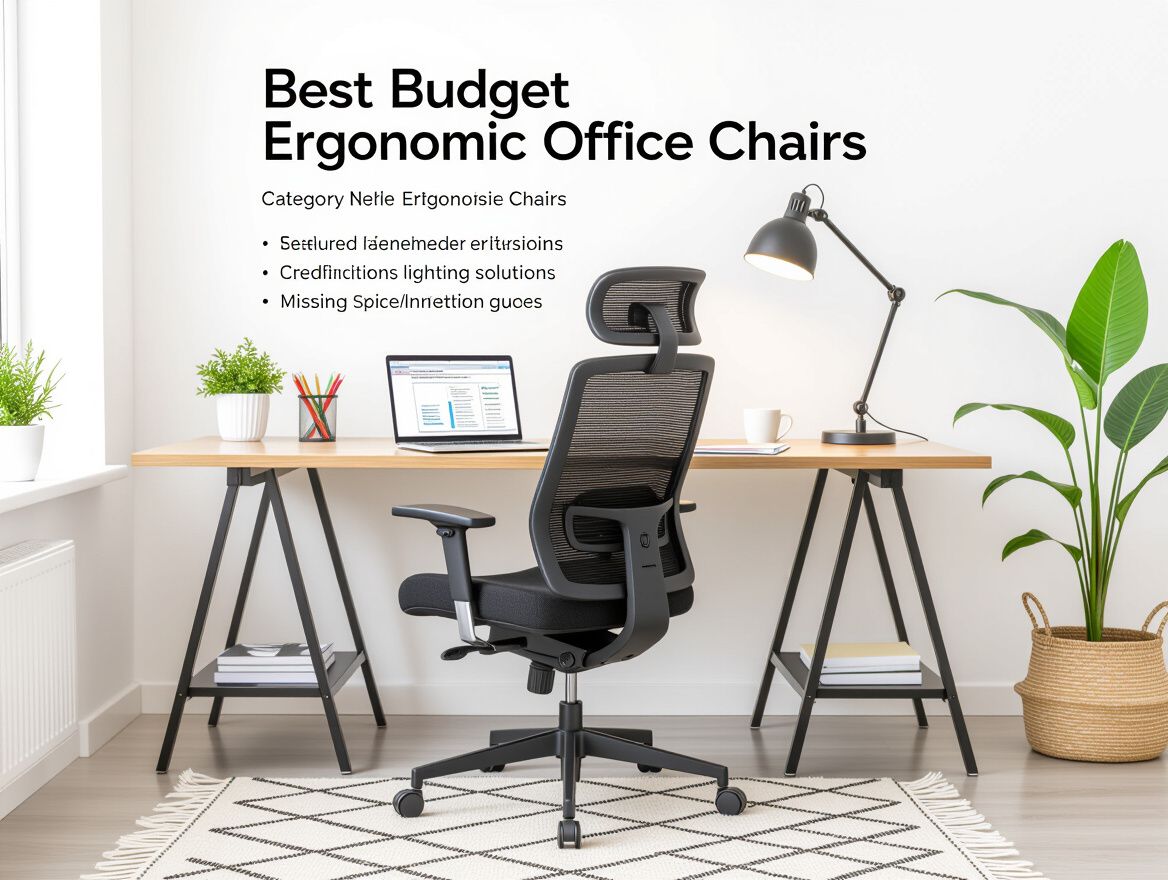
An ergonomic office chair is specifically designed to support the body in a way that promotes comfort and efficiency while working. These chairs incorporate features that align with the natural posture of the human body, reducing strain and the risk of injury during prolonged sitting.
Benefits of Ergonomic Office Chairs
Investing in an ergonomic office chair comes with several advantages:
- Improved Comfort: Enhanced padding and adjustable features help accommodate individual preferences, allowing for longer, more comfortable work sessions.
- Enhanced Productivity: A comfortable seated position can lead to better focus and less fatigue, ultimately improving overall productivity.
- Reduced Risk of Injury: Proper lumbar support and adjustable seat heights can minimize the risk of back pain and other musculoskeletal disorders associated with long hours of sitting.
- Customization: Many ergonomic chairs offer adjustable armrests, seat depth, and backrest angles, allowing users to tailor the chair to their specific body type and work habits.
Understanding these features and benefits helps buyers make informed decisions about which ergonomic office chair best meets their unique needs.
Key Features to Look for in an Ergonomic Office Chair
When selecting an ergonomic office chair, understanding the essential features can significantly enhance your workspace comfort and productivity. Here’s a checklist of critical attributes to consider:
-
Adjustable Seat Height: Ensure the chair allows for height adjustments to accommodate different desk heights and personal preferences. This feature promotes proper posture by aligning your knees at a 90-degree angle with your feet flat on the floor.
-
Lumbar Support: Look for chairs that provide adjustable lumbar support to help maintain the natural curve of your spine. This feature is crucial for preventing lower back pain during prolonged sitting.
-
Seat Depth Adjustment: A chair with seat depth adjustment enables you to customize the distance from the backrest to the front edge of the seat. This ensures that your back is properly supported while allowing some space behind your knees for comfort.
-
Armrest Adjustability: Armrests should be adjustable in height and width to support your arms comfortably while typing. Proper arm positioning can help reduce shoulder and neck strain.
-
Material Quality and Breathability: Consider chairs made from high-quality materials that offer breathability, such as mesh or breathable fabric. This feature helps regulate temperature and prevents discomfort during extended periods of use.
By evaluating these features, you can choose an ergonomic office chair that aligns with your specific needs, enhancing both comfort and productivity in your workspace.
How Ergonomic Chairs Improve Workplace Comfort
Investing in ergonomic office chairs can significantly enhance both health and productivity in the workplace. These chairs are specifically designed to support the body, which can lead to numerous benefits.
Reduction of Back Pain
One of the primary advantages of ergonomic chairs is their ability to alleviate back pain. Many individuals experience discomfort from prolonged sitting, especially if their chair lacks proper support. Ergonomic chairs provide lumbar support that encourages a neutral spine position, reducing strain on the back muscles and spine.
Improved Posture
Proper posture is crucial for long-term health. Ergonomic chairs are designed to promote an upright seating position, helping users maintain the natural curvature of their spine. Features such as adjustable seat height and backrest angles allow users to customize their chair to fit their body, which can lead to improved posture over time.
Increased Focus and Productivity
Comfortable seating can lead to greater focus and productivity. When users are not distracted by discomfort or pain, they can concentrate better on their tasks. Ergonomic chairs often include features like adjustable armrests and seat depth, which can help minimize fatigue during long working hours. This increased comfort can translate into higher efficiency and better work performance.
In summary, ergonomic office chairs are a worthwhile investment for anyone looking to improve their workspace comfort and productivity. By reducing back pain, promoting better posture, and enhancing focus, these chairs can lead to a more efficient and healthier work environment. When selecting an ergonomic chair, consider your specific needs, including adjustability, support features, and overall fit to ensure you make an informed decision.
Ergonomic Office Chairs vs. Standard Office Chairs
When considering a new office chair, it's essential to understand the key differences between ergonomic office chairs and standard office chairs. Each type of chair has its unique features, benefits, and potential drawbacks that can significantly impact your workspace comfort and productivity.
Comfort Levels
- Ergonomic Chairs: Designed with adjustable features such as seat height, lumbar support, and armrests, ergonomic chairs cater to individual body types and preferences. They often incorporate materials that enhance comfort during prolonged use.
- Standard Chairs: Typically offer limited adjustability, which may lead to discomfort during extended periods of sitting. Their design is often more generic, lacking the customization needed for optimal support.
Health Benefits
- Ergonomic Chairs: Promote better posture, reducing strain on the spine and neck. They can help prevent musculoskeletal disorders, which are common among office workers who sit for long hours.
- Standard Chairs: May not provide adequate support, potentially leading to discomfort and health issues over time. Users might experience fatigue or pain due to poor alignment and lack of support.
Price Differences
- Ergonomic Chairs: Generally come at a higher price point due to their advanced features and health benefits. Investing in a quality ergonomic chair can lead to long-term savings by reducing the risk of work-related injuries.
- Standard Chairs: Usually more budget-friendly, but the lower cost can come at the expense of comfort and health. While they may save money upfront, the potential costs associated with health issues could outweigh the initial savings.
Understanding these differences can guide you in selecting a chair that best fits your needs, balancing comfort, health benefits, and budget considerations.
Potential Risks and Trade-offs of Ergonomic Office Chairs
While ergonomic office chairs are designed to enhance comfort and productivity, there are several risks and trade-offs that potential buyers should consider before making a purchase.
-
Misfit for Certain Body Types: Ergonomic chairs are often designed with general body types in mind, which may not suit everyone. Individuals who are significantly shorter or taller than average may find it challenging to adjust the chair to a comfortable position. This misfit can lead to discomfort and negate the benefits of an ergonomic design.
-
Over-adjustability Leading to Discomfort: Many ergonomic chairs feature multiple adjustable components, such as seat height, armrests, and lumbar support. While this flexibility can be beneficial, it can also lead to confusion and over-adjustment. Users may find themselves constantly readjusting to find the right settings, which can lead to discomfort rather than relief.
-
Higher Upfront Costs: Investing in a quality ergonomic office chair often comes with a higher price tag compared to standard office chairs. This upfront cost can be a significant barrier for some buyers. Additionally, if the chair does not meet individual needs or preferences, it may result in wasted money and the need for a second purchase.
Understanding these potential risks and trade-offs is crucial in guiding your decision-making process. Evaluating how well an ergonomic chair aligns with your specific needs can help ensure a more satisfying and productive workspace.
Frequently Asked Questions About Ergonomic Office Chairs
When considering the purchase of an ergonomic office chair, potential buyers often have several questions that can influence their decision. Here are some common inquiries and their answers.
What is the lifespan of an ergonomic chair?
The lifespan of an ergonomic chair can vary widely depending on its build quality, materials used, and frequency of use. Typically, a well-constructed ergonomic chair can last anywhere from 5 to 10 years with proper care. Regular maintenance, such as tightening screws and cleaning, can extend its life. However, signs of wear such as sagging, broken components, or diminished support should prompt a replacement.
How do I adjust my ergonomic chair properly?
Proper adjustment of an ergonomic chair is crucial for maximizing comfort and support. Here are key steps to ensure correct setup:
- Seat Height: Adjust the seat height so that your feet rest flat on the floor and your knees are at a 90-degree angle.
- Backrest Position: Set the backrest to support the natural curve of your lower back. This may involve tilting the backrest forward or backward.
- Armrests: Adjust the armrests to a height that allows your shoulders to relax while keeping your elbows at a 90-degree angle.
- Seat Depth: Ensure there is a few inches of space between the back of your knees and the seat edge to promote circulation.
Taking the time to adjust your chair according to these guidelines can significantly enhance your sitting experience.
Are ergonomic chairs worth the investment?
Investing in an ergonomic chair can be worthwhile, particularly for individuals who spend long hours sitting. The benefits often outweigh the initial cost due to:
- Health Benefits: Reduced risk of back pain and musculoskeletal disorders can lead to fewer medical expenses over time.
- Increased Productivity: Enhanced comfort can lead to better focus and efficiency at work, potentially increasing your earning potential.
- Long-Term Savings: While ergonomic chairs may have a higher upfront cost, their durability and health benefits can save money in the long run by reducing the need for replacements and medical treatments.
Ultimately, the decision to invest in an ergonomic chair should consider personal comfort, work habits, and long-term health goals.
Making the Right Choice for Your Ergonomic Office Chair
Selecting the right ergonomic office chair is crucial for enhancing workspace comfort and productivity. As you consider your options, keep the following key points in mind:
-
Ergonomic Features: Look for chairs with adjustable lumbar support, seat height, and armrests. These features help tailor the chair to your body, promoting better posture and reducing strain during long hours of sitting.
-
Fit and Comfort: Ensure that the chair fits your body type. Test how it feels during a typical work session, paying attention to areas like back support and seat depth. A chair that feels comfortable for one person may not work for another.
-
Trade-offs: Understand that more advanced features often come at a higher price. Balance your budget with the ergonomic benefits you need. Consider what features are essential for your specific work habits and body requirements.
-
Risk Factors: Be aware of potential drawbacks, such as the chair’s durability and warranty coverage. A chair that feels great initially might not hold up over time, leading to additional costs down the line.
In conclusion, taking the time to evaluate these criteria will empower you to make an informed decision that enhances your workspace. Prioritize what matters most to you, and remember that investing in an ergonomic office chair can lead to significant long-term benefits for your health and productivity.

More in Ergonomic Office Chairs
View All