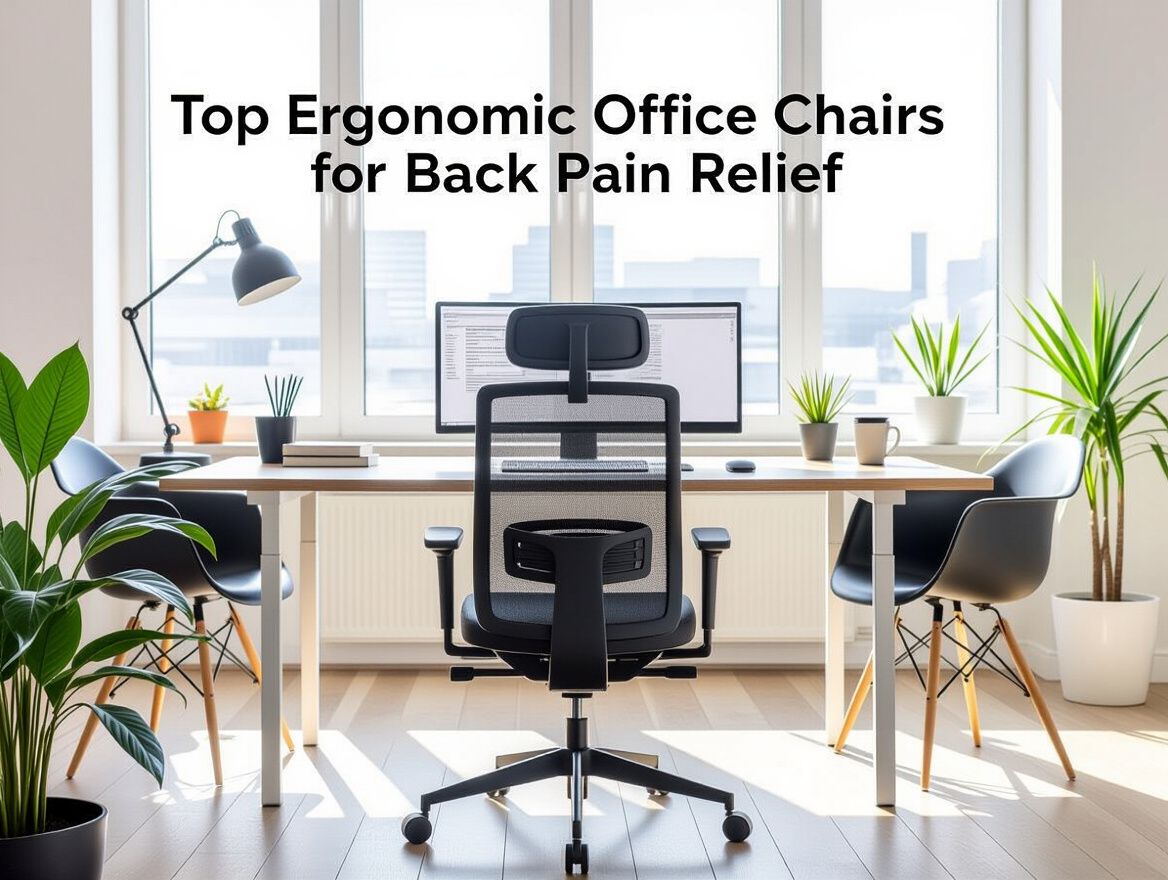
Top Ergonomic Office Chairs for Back Pain Relief
Understanding the Importance of Ergonomic Chairs for Back Pain
Back pain is a prevalent issue among office workers, often stemming from prolonged periods of sitting in poorly designed chairs. Research indicates that a significant percentage of employees experience discomfort, which can lead to decreased productivity and overall health challenges. The right ergonomic office chair can play a crucial role in alleviating this discomfort by promoting better posture and providing essential lumbar support.
Ergonomic design focuses on the relationship between the user and their work environment. These chairs are crafted to fit the natural curve of the spine, helping to distribute weight evenly and reduce strain on the back. Here are some key considerations when evaluating ergonomic office chairs for back pain:
- Lumbar Support: Look for chairs that offer adjustable lumbar support to accommodate different body types and preferences.
- Seat Height and Depth: Ensure the chair allows for adjustments to achieve proper leg positioning, which can help alleviate pressure on the lower back.
- Material and Padding: Consider breathable materials and adequate cushioning that help maintain comfort during long hours of sitting.
- Mobility and Stability: A chair that allows for easy movement can prevent stiffness, while a stable base ensures safety and support.
Understanding these features will help you make an informed decision tailored to your specific back pain needs. Being mindful of these ergonomic principles can lead to a more comfortable and productive work environment.
Key Criteria for Choosing an Ergonomic Office Chair
Selecting an ergonomic office chair specifically designed for back pain relief involves evaluating several critical features. Understanding these criteria will help you make an informed decision that best meets your individual needs.
-
Adjustability: Look for chairs that offer multiple adjustment options, including:
- Height: Ensures your feet rest flat on the floor and your knees are at a 90-degree angle.
- Armrests: Adjustable armrests can reduce shoulder strain by allowing your arms to rest comfortably.
- Lumbar Support: A chair with adjustable lumbar support can help maintain the natural curve of your spine, reducing lower back pain.
-
Seat Depth and Width Considerations:
- Depth: Ensure the seat depth allows you to sit back against the backrest while leaving 2-4 inches between the back of your knees and the seat edge. This promotes circulation and comfort.
- Width: A wider seat may be necessary for those with broader hips, ensuring that you can sit comfortably without feeling constricted.
-
Material Quality and Breathability:
- Upholstery: Look for breathable materials that allow air circulation to keep you cool during long hours of work.
- Cushioning: The seat and backrest should have adequate cushioning to provide comfort while still offering support, avoiding the feeling of sinking too deeply into the chair.
By focusing on these criteria, you can better evaluate ergonomic office chairs that may alleviate your back pain while supporting your work activities.
Evaluating Trade-offs in Ergonomic Chair Features
When selecting ergonomic office chairs for back pain relief, it's crucial to navigate the trade-offs between various features. Each option comes with its own set of advantages and compromises, which can significantly impact your comfort and overall satisfaction.
Cost vs. Quality Considerations
- Budget Constraints: Affordable chairs may lack advanced ergonomic features. While they can be a good starting point, investing in a higher-quality chair often yields better long-term benefits for back health.
- Quality Assurance: Higher-priced chairs typically offer enhanced materials and better construction, which can lead to improved durability and support.
Durability vs. Comfort Trade-offs
- Material Choices: Chairs made with breathable mesh may provide superior comfort but might not be as durable as those crafted from high-quality leather or fabric. Consider how often you'll use the chair and for how long it needs to last.
- Cushioning: A softer chair may feel more comfortable initially, but it can lose support over time. Conversely, a firmer chair may provide better long-term support, especially for those with chronic back pain.
Aesthetic Appeal vs. Ergonomic Functionality
- Design Considerations: While a stylish chair can enhance your office decor, it’s essential to prioritize ergonomic features that promote proper posture and spinal alignment. A visually appealing chair that lacks functionality can exacerbate back pain rather than alleviate it.
- Versatility: Some ergonomic chairs are designed to blend seamlessly into various office environments, but this can sometimes come at the cost of essential ergonomic features. Evaluate whether the chair meets your back pain relief needs without sacrificing style.
Understanding these trade-offs will help you make a more informed decision, ensuring that the ergonomic office chair you choose aligns with your specific back pain needs while also fitting your budget and aesthetic preferences.
Finding the Right Fit for Your Body Type
Selecting an ergonomic office chair that alleviates back pain starts with understanding your unique body type. Proper fit is crucial, as it ensures that the chair provides the necessary support to maintain good posture and reduce discomfort during long hours of sitting.
Importance of Testing Chair Fit
Before making a purchase, it's essential to test how a chair accommodates your body. Here are some key aspects to consider:
- Seat Height: Ensure that your feet can rest flat on the floor or on a footrest while your knees are at a 90-degree angle.
- Backrest Support: The backrest should support the natural curve of your spine. Adjust the lumbar support to fit the small of your back.
- Seat Depth: There should be a few inches of space between the back of your knees and the seat edge to prevent pressure on your thighs.
Adjusting Chair Settings for Optimal Support
Most ergonomic chairs come with adjustable features. Familiarize yourself with these settings to enhance comfort:
- Armrests: Adjust the height so that your arms can rest comfortably without straining your shoulders.
- Tilt Tension: This allows you to control how easily the chair reclines. Finding the right tension can help support your lower back while allowing for movement.
- Lumbar Support: Many chairs offer adjustable lumbar support. Make sure it aligns with your lower back to maintain proper posture.
Considerations for Different Body Types
When evaluating ergonomic chairs, consider how your height and weight impact your choice:
- Height: Taller individuals may require chairs with a higher back and adjustable seat height, while shorter users might need chairs that allow for lower settings.
- Weight: Heavier individuals should look for chairs designed to support a higher weight capacity without compromising comfort or stability.
By understanding these aspects of chair selection, you can better navigate your options and find an ergonomic office chair that effectively addresses your back pain needs.
Risks and Common Misconceptions about Ergonomic Chairs
While ergonomic office chairs are designed to alleviate back pain, there are several risks and misconceptions that can undermine their effectiveness. Understanding these pitfalls can help you make a more informed decision when selecting a chair that truly meets your needs.
-
Over-reliance on Ergonomic Features: Many individuals assume that simply purchasing an ergonomic chair will solve their back pain. However, the benefits of ergonomic design depend significantly on proper usage. Without correct posture and regular movement, even the best chair may not provide the expected relief.
-
Misunderstanding the Role of Ergonomics: Some people believe that ergonomic chairs are a cure-all for back pain. In reality, ergonomics is just one aspect of overall health. Factors such as physical activity, stretching, and taking breaks are also crucial for maintaining spinal health and preventing discomfort.
-
Adjustment Challenges: Ergonomic chairs often come with various adjustable features, which can be overwhelming. If not properly adjusted to fit your body size and shape, these chairs can lead to discomfort rather than relief. It's essential to take the time to customize the settings to suit your specific posture and preferences.
Being aware of these risks and misconceptions can guide you in your search for the right ergonomic office chair. Ensure that you consider not just the chair's features but also how you will use it in conjunction with other health-promoting practices.
Frequently Asked Questions about Ergonomic Office Chairs
When considering ergonomic office chairs for back pain relief, it's common to have questions about their effectiveness and maintenance. Here are some frequently asked questions to help you navigate your decision.
How long should I sit in an ergonomic chair?
While ergonomic chairs are designed to support comfort during extended periods of sitting, it's generally recommended to take breaks every 30 to 60 minutes. This practice helps alleviate pressure on your spine and encourages movement, which can further reduce back pain.
Can an ergonomic chair cure my back pain?
While ergonomic chairs are engineered to improve posture and provide support, they are not a cure for back pain. Their design can significantly alleviate discomfort and prevent further issues when combined with proper workstation setup and regular movement. If back pain persists, consulting a healthcare professional is advisable.
What maintenance do ergonomic chairs require?
Maintaining an ergonomic chair typically involves regular cleaning and periodic checks on its adjustable components. Dust and debris can accumulate in the mechanisms, so keeping the chair clean is essential for optimal performance. Additionally, inspect the chair for any signs of wear and tear, especially on adjustable parts, to ensure continued support and comfort.
By addressing these common queries, you can better evaluate your options and make an informed decision that aligns with your specific back pain needs.
Making an Informed Decision on Your Ergonomic Chair Purchase
When selecting an ergonomic office chair for back pain relief, understanding the essential features and considerations is crucial. The right chair can significantly impact your comfort and productivity, making it a worthwhile investment for your health. Here’s a recap of the key points to consider:
-
Adjustability: Prioritize chairs that offer multiple adjustment options, including seat height, lumbar support, and armrest positions. This customization allows you to find the most comfortable fit for your body type and sitting habits.
-
Support Features: Look for chairs that provide adequate lumbar support, as this is vital for maintaining the natural curve of your spine. Some chairs come with adjustable lumbar support to cater to individual needs.
-
Material Quality: Evaluate the chair’s materials, including breathability and cushioning. High-quality fabrics and foams can enhance comfort during long work hours, which is essential for those experiencing back pain.
-
Mobility and Stability: Consider the chair's mobility features, such as wheeled bases, which can help reduce stiffness. A stable design is equally important to ensure safety and support throughout your workday.
Before making a purchase, it's highly encouraged to test chairs in-store if possible. This hands-on experience can help you gauge comfort and fit, ensuring that the chair aligns with your specific needs.
Investing in a quality ergonomic chair not only contributes to pain relief but also enhances your overall work experience. Prioritize your health by choosing a chair that promotes better posture and comfort, which can lead to improved productivity and well-being in the long run.
More in Ergonomic Office Chairs
View All