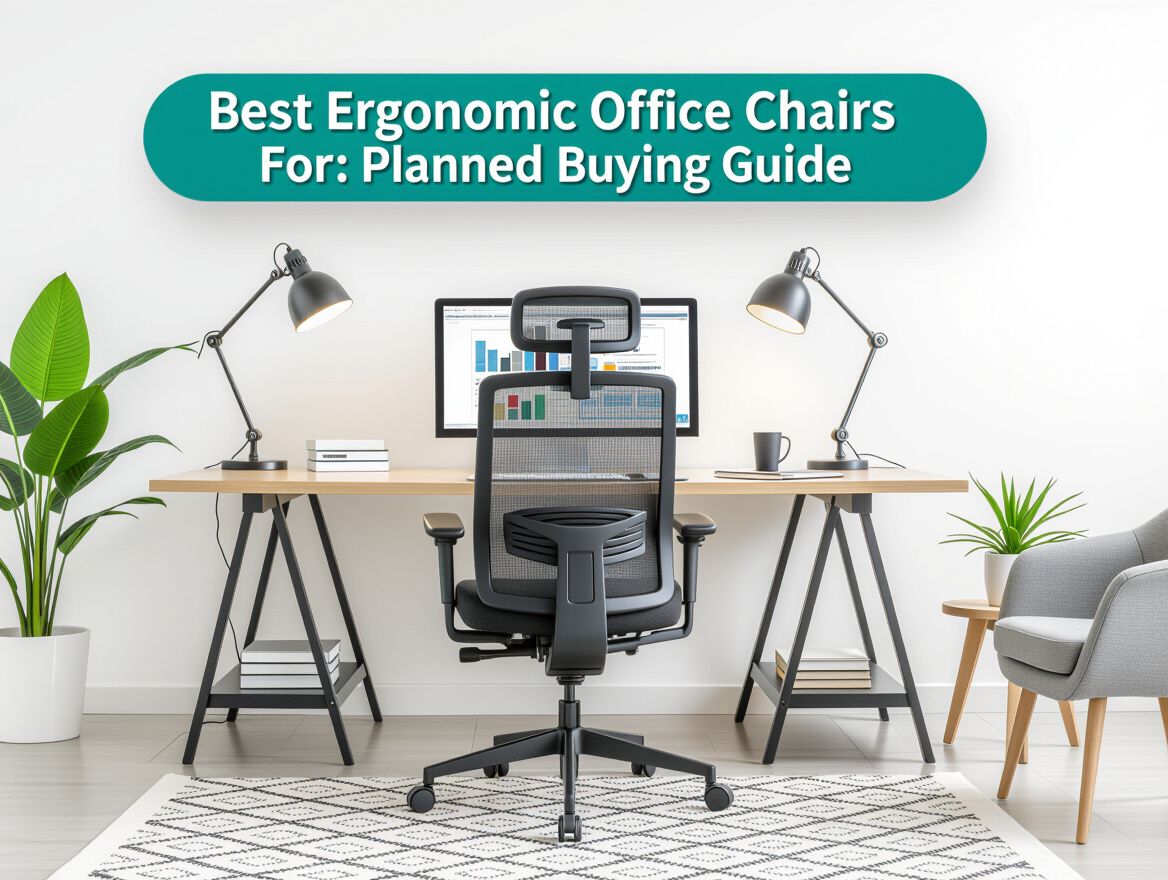
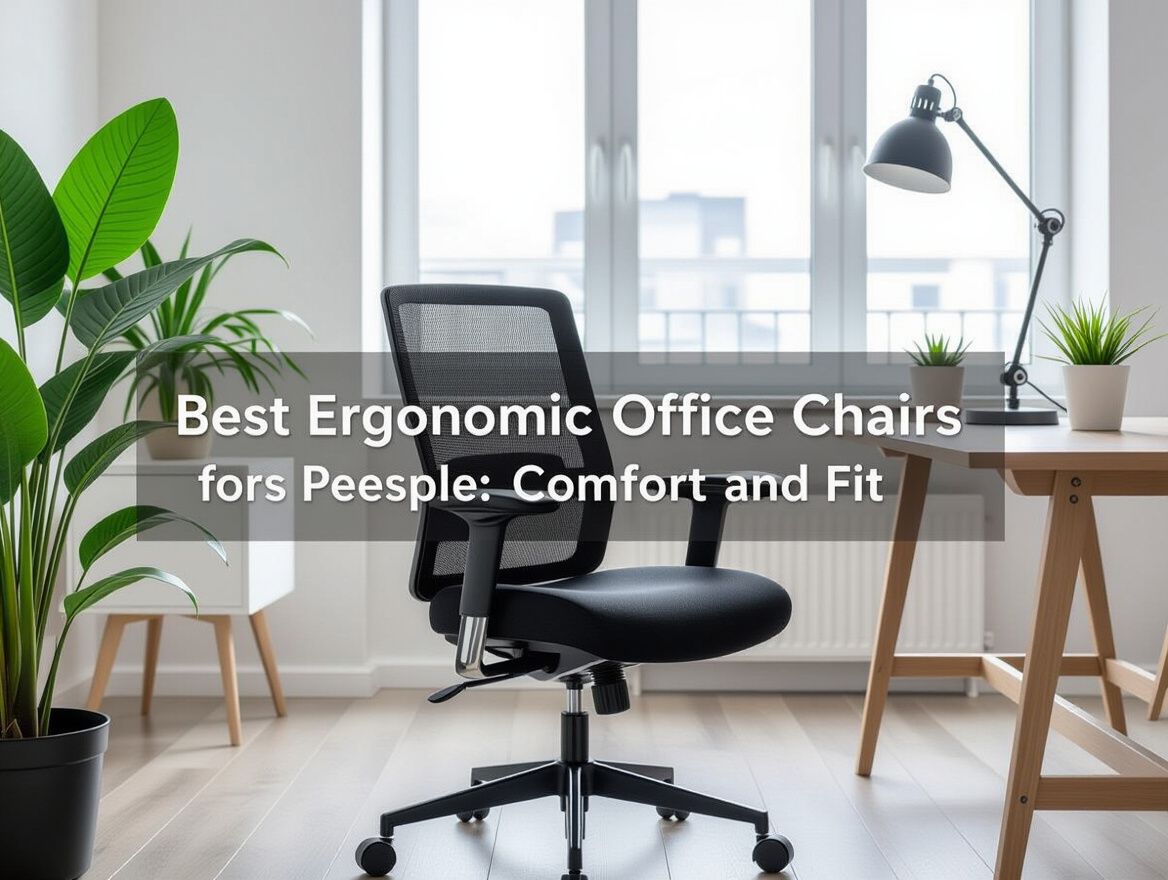
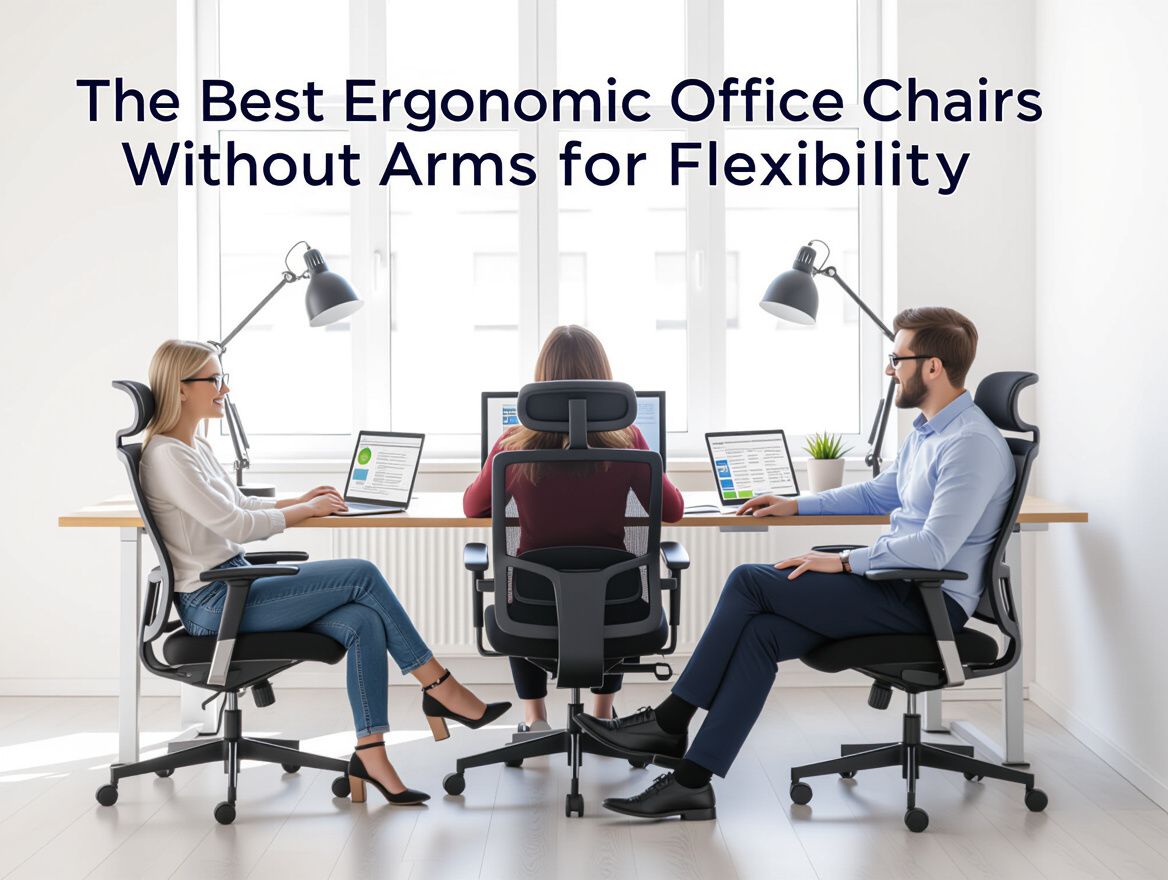
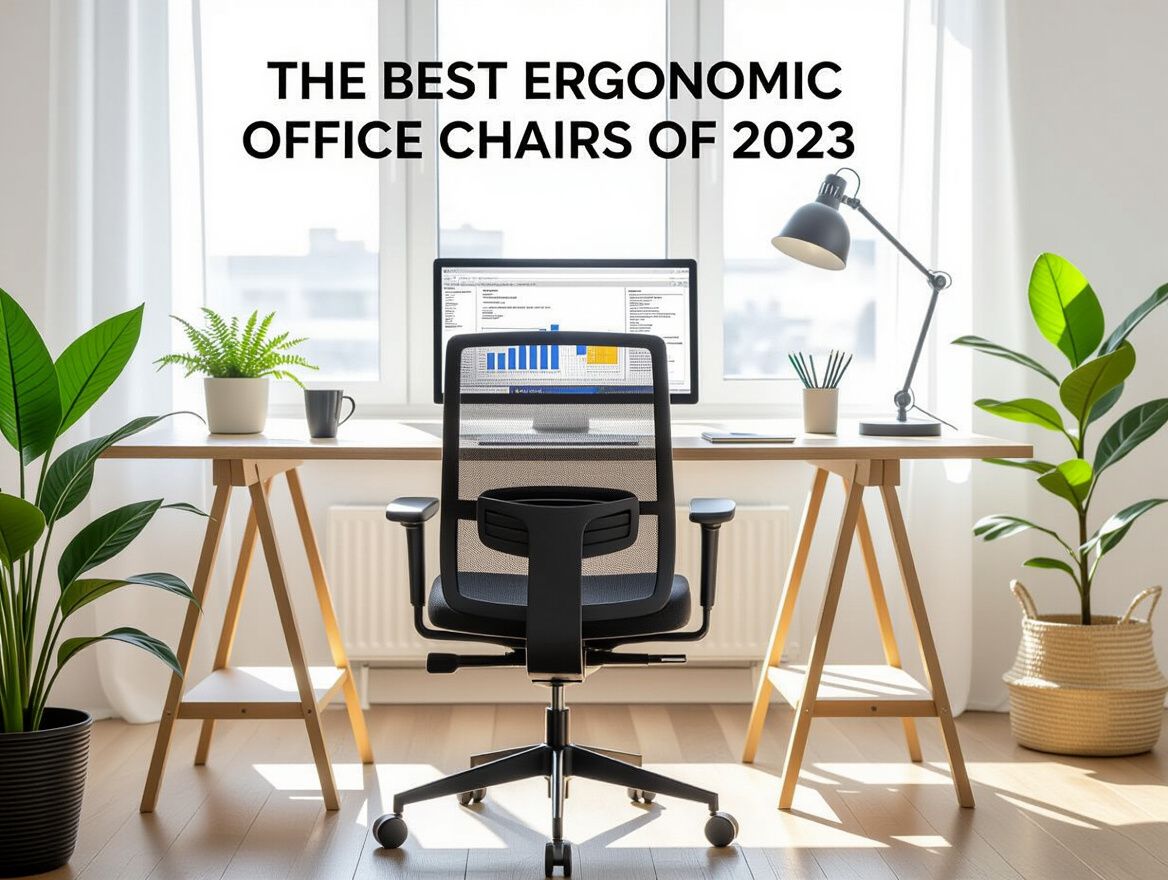
The Best Ergonomic Office Chairs of 2023
Why Ergonomic Office Chairs Matter
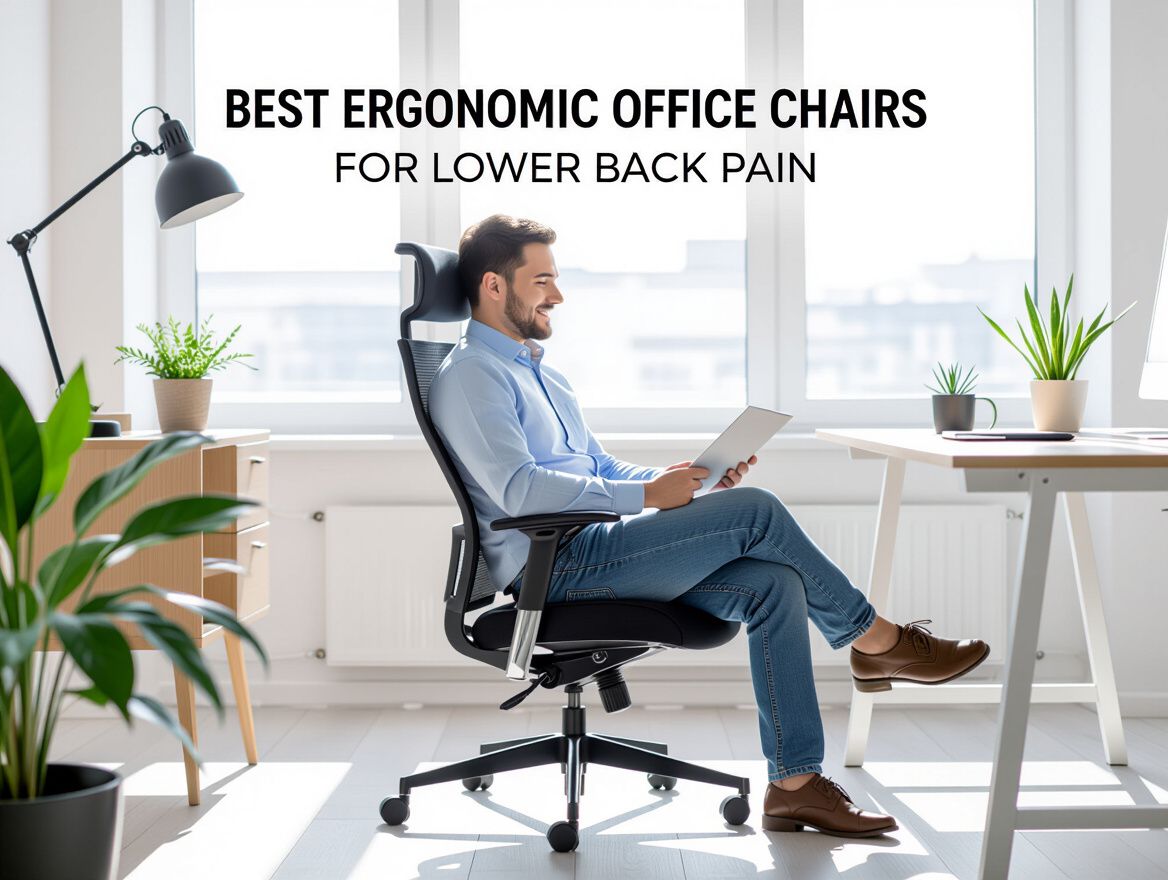
Ergonomic office chairs are designed to provide optimal support and comfort, crucial for anyone spending long hours at a desk. These chairs promote healthy posture, reduce strain on the body, and can significantly enhance productivity by minimizing discomfort and fatigue.
The relevance of ergonomic design lies in its ability to adapt to the natural curvature of the spine, providing essential lumbar support that helps prevent back pain. This is particularly important as poor seating can lead to long-term health issues, including musculoskeletal disorders. By investing in an ergonomic chair, individuals can create a more supportive workspace that fosters better focus and efficiency.
Key Benefits of Ergonomic Office Chairs:
- Posture Support: Encourages proper alignment of the spine, reducing the risk of back pain.
- Adjustability: Many ergonomic chairs offer customizable features such as seat height, backrest angle, and armrest position to accommodate various body types.
- Enhanced Comfort: High-quality materials and designs reduce pressure points, making it easier to sit for extended periods.
- Increased Productivity: Comfortable seating can lead to improved concentration and reduced distractions caused by discomfort.
Understanding these benefits can help you make informed decisions when selecting the best ergonomic office chair for your specific needs, ultimately leading to a healthier and more productive work environment.
Key Criteria for Choosing an Ergonomic Office Chair
Selecting the right ergonomic office chair involves evaluating several essential features that contribute to comfort and support during long hours of work. Here are key criteria to consider:
-
Adjustability: Look for chairs that offer multiple adjustment options, including:
- Height: Ensure the chair can be raised or lowered to suit your desk height.
- Armrests: Adjustable armrests can help reduce shoulder strain.
- Lumbar Support: A chair with adjustable lumbar support allows you to align the support with your lower back for optimal comfort.
-
Material and Cushioning: The materials used in the chair's construction significantly impact comfort:
- Breathable Fabrics: Mesh materials can promote airflow, keeping you cooler during extended use.
- Cushioning: Adequate padding is essential for comfort, but it should not be overly soft, as this can lead to poor posture.
-
Seat Depth and Width: Proper fit is crucial for ergonomic support:
- Depth: A seat that is too deep may prevent you from sitting back against the backrest, while a seat that is too shallow may not provide enough support.
- Width: Ensure the seat width accommodates your body type comfortably without feeling cramped.
-
Mobility and Stability Features: Consider how the chair will perform in your workspace:
- Casters: Chairs with smooth-rolling casters enhance mobility, allowing you to move easily between tasks.
- Base Stability: A five-point base is generally more stable than a four-point base, reducing the risk of tipping.
By assessing these criteria, you can make a more informed decision that aligns with your specific needs and workspace requirements.
Comparing Popular Ergonomic Office Chairs
When evaluating the best office chairs ergonomic for your workspace, it's essential to consider various features, pricing, and user feedback. Here’s a breakdown of key differences among some popular ergonomic chairs available this year, along with their pros and cons to help you make an informed decision.
Key Features and Pricing
- Adjustability: Look for chairs with adjustable seat height, backrest angle, and armrest positions. Some models offer lumbar support adjustments, which can be crucial for long hours of sitting.
- Material: Chairs may come with mesh or padded upholstery. Mesh chairs often provide better airflow, while padded chairs might offer a softer feel but can retain heat.
- Weight Capacity: Different chairs support varying weights, so ensure the chair you choose accommodates your body type comfortably.
- Price Range: Ergonomic chairs can range significantly in price. Higher-priced models typically offer more features and better longevity, but there are also affordable options that provide solid support.
User Reviews
- Comfort: Many users emphasize the importance of comfort during extended use. Reviews often mention how specific features like adjustable lumbar support and seat depth can alleviate discomfort.
- Durability: Consider feedback on the chair's build quality. Some users report wear and tear after prolonged use, while others praise the longevity of their ergonomic investments.
Pros and Cons of Popular Models
-
Model A:
- Pros: Excellent lumbar support, adjustable armrests, breathable mesh.
- Cons: Higher price point, may require assembly.
-
Model B:
- Pros: Affordable, good for short to medium use, available in various colors.
- Cons: Limited adjustability, less suitable for taller users.
-
Model C:
- Pros: Highly adjustable, cushioned seat for comfort, sturdy build.
- Cons: Heavier, making it less portable; higher cost.
Trade-offs to Consider
- Adjustability vs. Simplicity: Highly adjustable chairs may offer more customization but can be more complex to set up and adjust. Simpler models might lack some features but can be easier to use.
- Cost vs. Features: Investing in a higher-priced chair often yields better materials and ergonomics, but budget options can still provide adequate support for less frequent users.
- Design vs. Functionality: Some chairs prioritize aesthetics which may compromise ergonomic features. Ensure that the chair not only looks good but also supports your posture.
Fit and Risk Guidance
- Body Type: Assess whether the chair can accommodate your specific body type. Some models are designed for petite users, while others cater to larger frames.
- Usage Duration: Consider how long you will be sitting daily. If you work long hours, investing in a chair with superior support may prevent discomfort.
- Warranty and Return Policy: Check the warranty and return policy before purchasing. A good return policy can reduce the risk if the chair does not meet your expectations.
By carefully weighing these criteria, trade-offs, and fit considerations, you can confidently choose an ergonomic office chair that meets your needs and enhances your workspace comfort.
Trade-offs and Considerations
When investing in ergonomic office chairs, it's essential to weigh various trade-offs to ensure you make an informed decision. Here are key considerations to keep in mind:
-
Cost vs. Quality: Higher-priced ergonomic chairs often come with superior materials and features that enhance comfort and support. However, budget-friendly options can still provide decent ergonomics. Assess your needs carefully to determine if the investment in a premium chair is justified based on your daily usage and comfort requirements.
-
Aesthetics vs. Functionality: While a chair's design and appearance can significantly impact your workspace, prioritizing aesthetics over functionality may lead to discomfort and health issues in the long run. Look for a balance that complements your office decor while still providing the necessary ergonomic benefits.
-
Long-term Investment vs. Short-term Savings: Ergonomic chairs are typically designed for durability and long-term use. Opting for a cheaper chair may save you money initially, but it could lead to higher costs in the future due to replacements or health-related issues stemming from inadequate support. Consider how often you work at your desk to evaluate the best approach for your situation.
By understanding these trade-offs, you can better navigate the landscape of ergonomic office chairs and select one that aligns with your specific needs and lifestyle.
Finding the Right Fit for Your Needs
When it comes to choosing the best ergonomic office chair, personal fit and comfort are paramount. Ergonomic chairs are designed to support various body types and work environments, which means that what works for one person may not be suitable for another. Here are some critical considerations to help you evaluate your options:
-
Body Type and Size: Different chairs cater to various body shapes and sizes. Look for adjustable features such as seat height, backrest angle, and armrest height to ensure a tailored fit. A chair that accommodates your specific dimensions will promote better posture and reduce discomfort during long work hours.
-
Work Environment: Consider whether your setup is a home office or a corporate space. Home office users may prioritize aesthetics and compact designs, while corporate environments might necessitate more robust and adjustable options for shared use. The chair's material and durability can also vary based on the environment; for example, mesh chairs are often preferred in warmer climates for breathability.
-
Adjustability Features: Key ergonomic features include lumbar support, adjustable armrests, and seat depth adjustment. These components can significantly enhance comfort but may come with trade-offs. For instance, while a chair with extensive adjustability may offer better customization, it can also be more complex to set up and use.
-
Potential Risks: Choosing the wrong chair can lead to discomfort or even injury over time. Be wary of chairs that lack adequate lumbar support or have a fixed design that does not accommodate your movements. It’s essential to assess the chair's fit with your desk height and monitor placement to avoid strain.
By considering these factors, you can narrow down your choices and find an ergonomic office chair that not only meets your comfort needs but also enhances your productivity in your specific work environment.
Frequently Asked Questions
When considering the best ergonomic office chairs, many potential buyers have common questions that can help guide their decision-making process. Here are some of the most frequently asked questions along with concise answers.
What are the signs that an ergonomic chair is needed?
Recognizing the need for an ergonomic chair can stem from various discomforts experienced during prolonged sitting. Key signs include:
- Persistent Back Pain: Regular discomfort or pain in the lower back can indicate inadequate support.
- Neck and Shoulder Tension: Strain in these areas often arises from poor posture or lack of adjustability in a chair.
- Fatigue: Feeling excessively tired after a workday may suggest that your current seating arrangement is not providing the necessary support.
- Numbness or Tingling: These sensations in the legs or arms can be a sign that your chair is not promoting proper circulation.
How do ergonomic chairs improve posture?
Ergonomic chairs are designed to support the natural curvature of the spine, promoting a healthier sitting posture. They typically feature:
- Adjustable Seat Height: Allows users to align their feet flat on the floor, reducing pressure on the thighs.
- Lumbar Support: Provides support to the lower back, encouraging an upright posture and reducing slouching.
- Adjustable Armrests: Helps to keep the shoulders relaxed and arms at a comfortable angle, minimizing strain.
- Seat Depth Adjustment: Ensures that the backrest supports the lower back while allowing space for the back of the knees.
What maintenance do ergonomic chairs require?
To extend the life of an ergonomic chair and maintain its functionality, regular maintenance is essential. Key maintenance tips include:
- Cleaning: Regularly wipe down the chair with appropriate cleaners to remove dust and stains.
- Check Adjustability Features: Periodically test all adjustable features to ensure they function properly.
- Inspect for Wear: Look for signs of wear or damage, particularly in the seat cushion and casters, and address any issues promptly.
- Lubricate Moving Parts: If applicable, lubricate the chair's moving parts to ensure smooth operation.
By understanding these aspects, potential buyers can make informed decisions when selecting ergonomic office chairs that best suit their needs.
Making an Informed Decision
Choosing the best ergonomic office chair is crucial for enhancing comfort and productivity during long hours of work. As you consider your options, it's essential to reflect on various criteria that align with your specific needs and preferences.
Here are some key factors to keep in mind:
-
Adjustability: Look for chairs that offer multiple adjustment options, including seat height, armrest height, and lumbar support. This ensures that the chair can be tailored to fit your body.
-
Material Quality: The chair's fabric and cushioning can significantly affect comfort. High-quality materials often provide better durability and breathability.
-
Support Features: Evaluate the chair’s ergonomic features, such as lumbar support and seat depth, to ensure they accommodate your posture and minimize strain.
-
Weight Capacity: Consider the chair's weight limit to ensure it meets your needs, especially if you require additional support.
-
Aesthetic Appeal: While functionality is key, the design and style of the chair should also complement your workspace aesthetic.
-
Budget vs. Quality: Assess your budget against the quality and features of the chair. Sometimes, investing a little more can lead to long-term health benefits.
As you weigh these considerations, remember that the best ergonomic chair for you will depend on your individual work habits, body type, and personal preferences. Taking the time to evaluate these factors will help you make a more informed decision, ensuring that your choice enhances both comfort and productivity in your workspace.
More in Ergonomic Office Chairs
View All