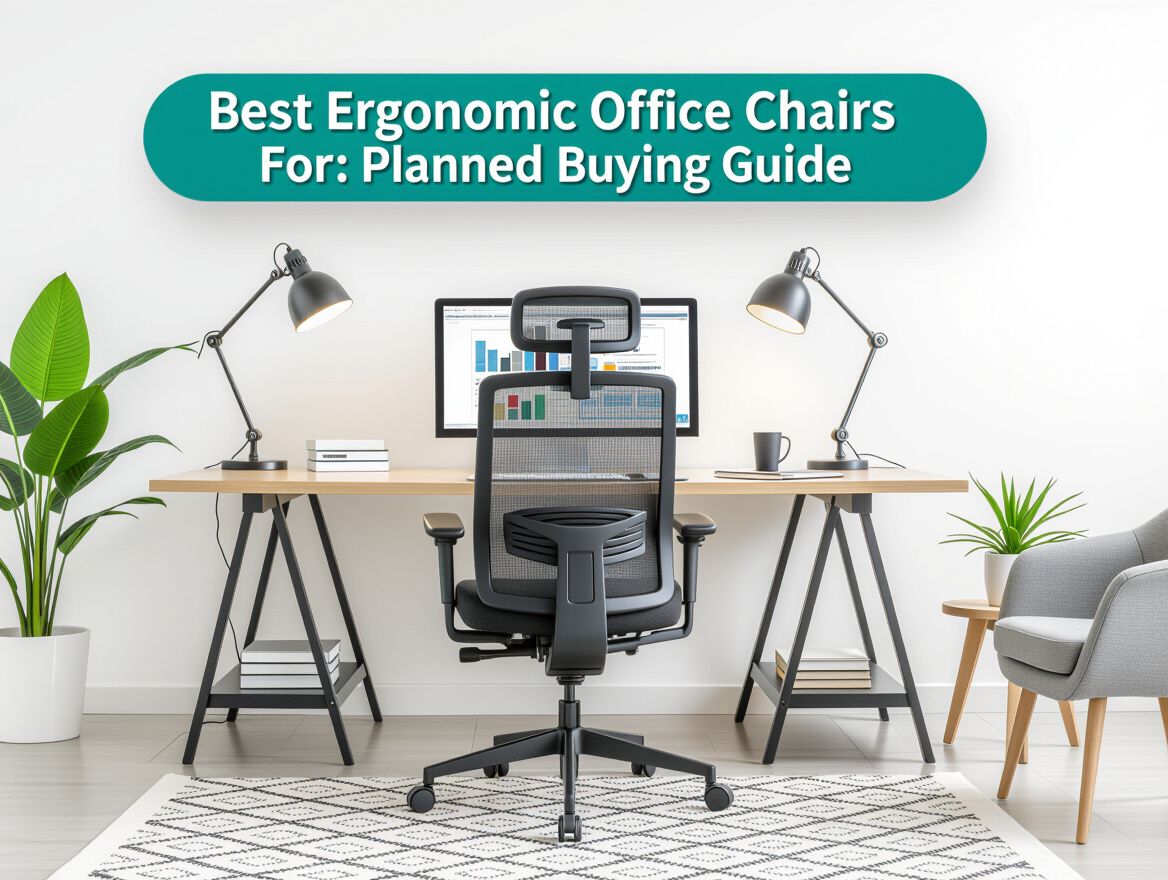
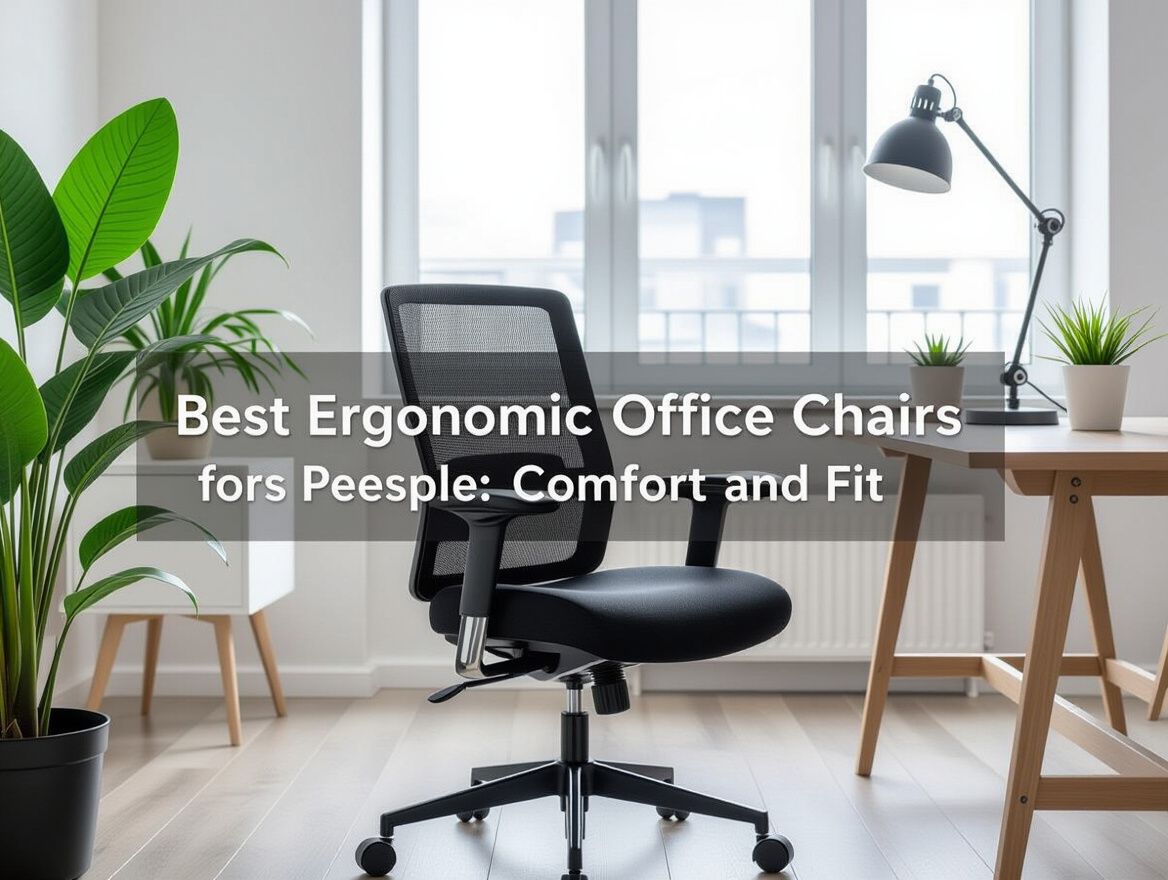
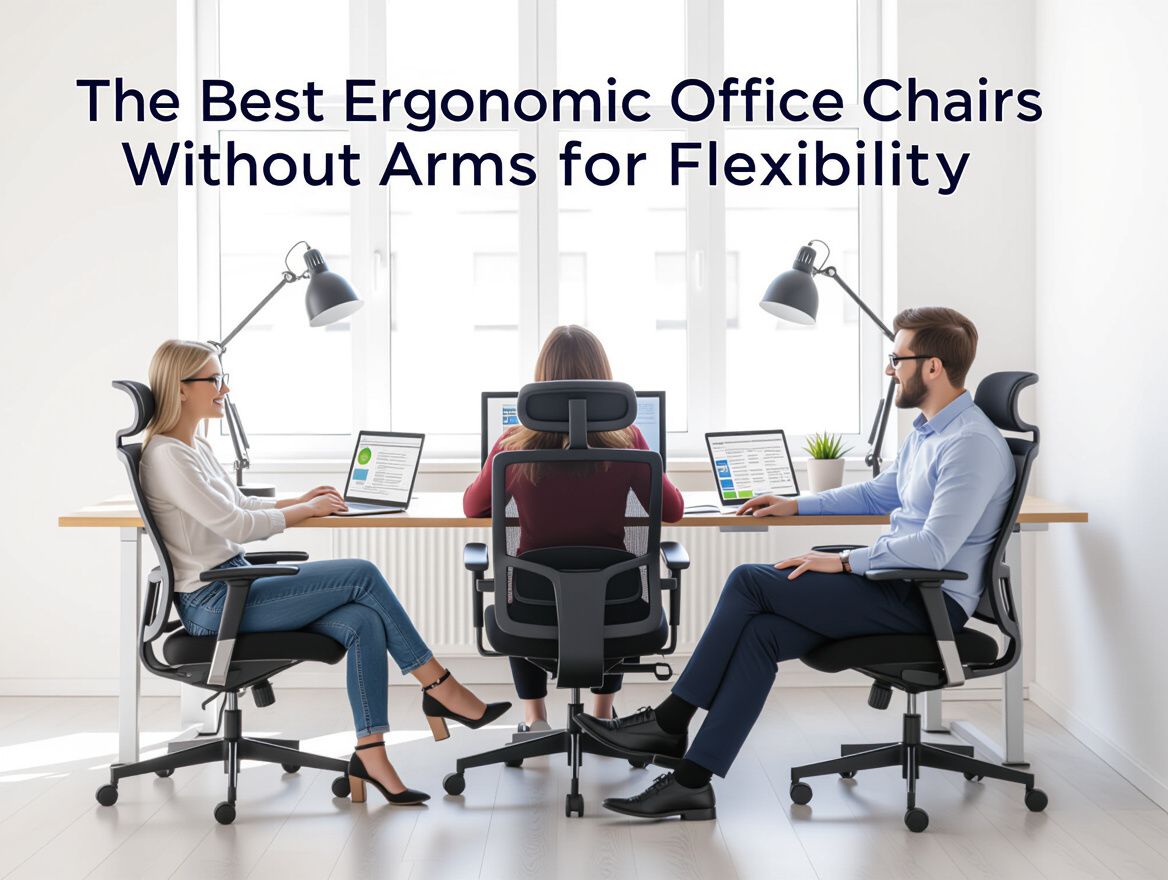
The Benefits of Fabric Ergonomic Office Chairs
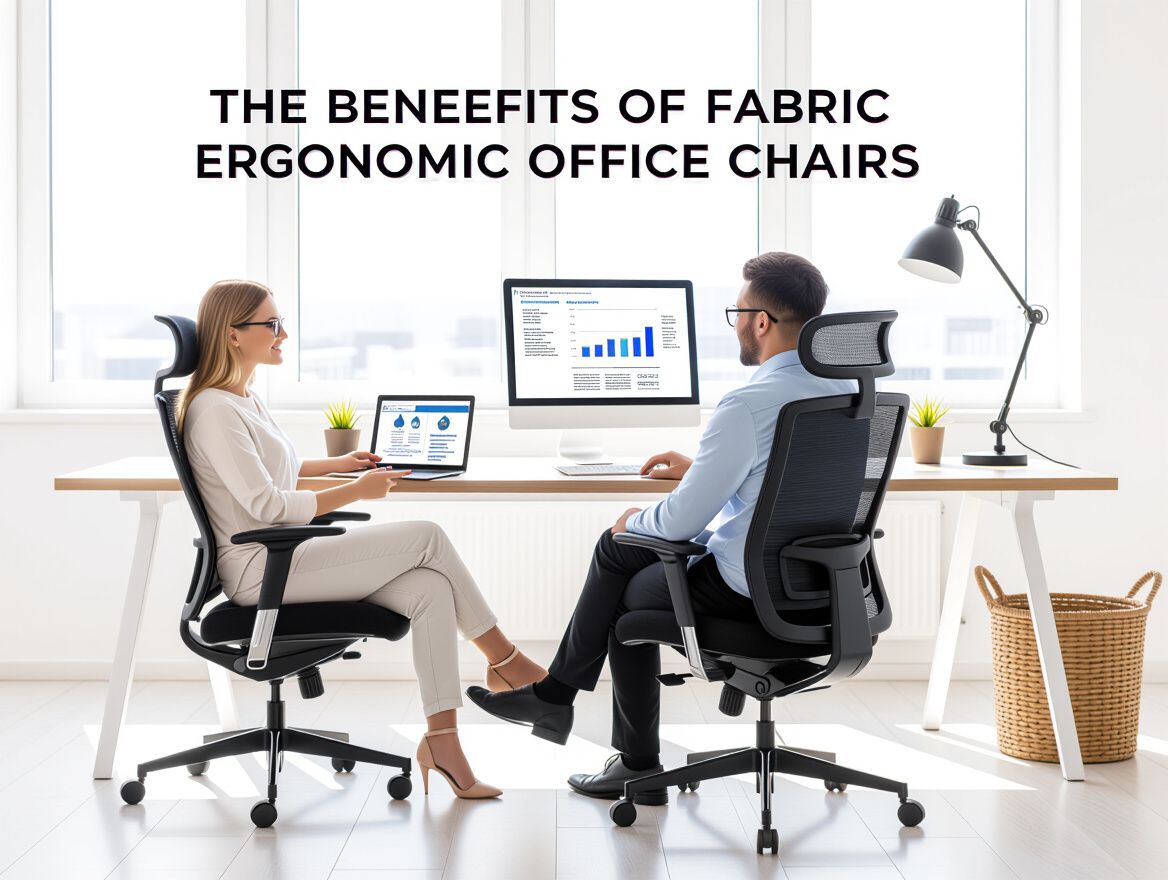
Why Choose Fabric Ergonomic Office Chairs?
The demand for ergonomic office chairs has surged as more individuals recognize the importance of comfort and support in enhancing productivity, particularly in home and office settings. Ergonomic office chairs are designed to promote good posture, reduce strain, and accommodate the natural contours of the body, making them essential for those who spend extended periods sitting.
When considering fabric ergonomic office chairs, it’s important to understand the unique advantages that fabric materials offer compared to alternatives like leather or synthetic options:
- Breathability: Fabric chairs often feature breathable materials that allow air circulation, helping to regulate temperature and prevent discomfort from prolonged sitting.
- Comfort: The softness of fabric can provide a more comfortable seating experience, particularly for users who prefer a gentler touch against their skin.
- Variety of Styles: Fabric comes in a wide range of colors and patterns, allowing for greater customization to fit personal aesthetics and office decor.
- Affordability: Generally, fabric chairs can be more budget-friendly than leather options, providing a cost-effective solution without sacrificing essential ergonomic features.
However, potential buyers should also consider certain trade-offs. Fabric can be more susceptible to stains and may require more regular cleaning compared to leather, which can simply be wiped down. Additionally, the durability of fabric chairs can vary widely based on the quality of the material used.
In summary, fabric ergonomic office chairs present a compelling choice for individuals seeking comfort, style, and functionality, though it’s essential to weigh these benefits against the potential drawbacks to ensure the right fit for your specific needs.
Key Benefits of Fabric Ergonomic Office Chairs
Fabric ergonomic office chairs offer distinct advantages over materials like leather or plastic, making them a popular choice for both home and office environments. Understanding these benefits can help you make a more informed purchasing decision.
Comfort and Breathability
One of the primary benefits of fabric ergonomic chairs is their comfort, largely due to the breathability of the material. Unlike leather or plastic, which can retain heat and moisture, fabric allows for better air circulation. This helps to keep you cool during extended periods of sitting, reducing discomfort and the likelihood of sweating.
- Moisture-wicking properties: Many fabric chairs are designed to wick away moisture, enhancing comfort during long working hours.
- Soft touch: Fabric tends to have a softer feel compared to leather, providing a more comfortable experience against the skin.
Aesthetic Appeal and Variety of Designs
Fabric ergonomic chairs come in a wide array of colors, patterns, and textures, allowing for greater customization to fit your personal style or office decor. This versatility is often less pronounced in leather or plastic options, which may be limited to solid colors or finishes.
- Personalization: Choose from various fabrics and designs to match your aesthetic preferences.
- Visual warmth: Fabric chairs often add a cozy, inviting element to office spaces, which can enhance the overall atmosphere.
Durability and Ease of Maintenance
While some may perceive fabric as less durable than leather, many modern fabric ergonomic chairs are designed to withstand daily use. High-quality fabrics can be resistant to wear and tear, and many are treated to be stain-resistant, making maintenance easier.
- Stain resistance: Look for chairs with treated fabrics that repel spills and stains, simplifying cleaning.
- Longevity: Good-quality fabric chairs can last for years, provided they are maintained properly, making them a cost-effective option in the long run.
Conclusion
Choosing a fabric ergonomic office chair can significantly enhance your comfort and satisfaction in a work environment. By considering factors such as breathability, aesthetic variety, and durability, you can find a chair that aligns with your needs while also providing a stylish addition to your workspace.
Essential Buying Criteria for Fabric Ergonomic Office Chairs
When selecting a fabric ergonomic office chair, it's crucial to evaluate several key factors to ensure you make a well-informed purchase. Here’s a checklist of essential criteria to consider:
-
Seat Height and Adjustability: Look for chairs with adjustable seat heights to accommodate various desk setups and personal comfort levels. A chair that allows for easy height adjustments can significantly enhance ergonomics.
-
Lumbar Support Features: Effective lumbar support is vital for maintaining proper posture and reducing back strain. Check for chairs that offer adjustable lumbar support to fit the natural curve of your spine.
-
Fabric Quality and Texture: The type of fabric used can influence comfort and durability. Consider breathable materials that promote airflow and prevent overheating during extended use. Additionally, evaluate the texture for comfort against your skin.
-
Weight Capacity and Stability: Ensure the chair can support your weight comfortably and is stable enough for your movements. Chairs with a higher weight capacity often indicate robust construction and durability.
By carefully assessing these criteria, you can choose a fabric ergonomic office chair that not only fits your body but also enhances your overall work experience.
Trade-offs of Fabric Ergonomic Office Chairs
While fabric ergonomic office chairs offer a range of benefits, it's essential to consider the potential downsides associated with this material. Here are several key trade-offs to keep in mind:
-
Durability Concerns: Fabric chairs may not be as durable as their leather or synthetic counterparts. Over time, fabric can wear down, leading to fraying or pilling, particularly in high-use environments. This could necessitate earlier replacement compared to more robust materials.
-
Staining and Cleaning Challenges: Fabric is generally more susceptible to staining than leather or vinyl. Spills can quickly become permanent if not addressed promptly, and cleaning fabric can be more labor-intensive. Consider whether the chair will be in an area prone to spills or dirt, as this could affect maintenance routines.
-
Long-Term Wear and Tear: The longevity of fabric ergonomic chairs can be compromised by their susceptibility to dirt and allergens, which can accumulate in the fibers. Regular cleaning is necessary to maintain not only the chair's appearance but also its hygiene and comfort level.
When considering a fabric ergonomic office chair, weigh these trade-offs against your specific needs and usage patterns. Understanding these limitations will help you make a more informed purchasing decision, ensuring that your choice aligns with your workspace requirements.
Assessing Fit: Is a Fabric Ergonomic Office Chair Right for You?
When considering a fabric ergonomic office chair, it's essential to evaluate how this choice aligns with your personal preferences and specific needs. Fabric chairs can offer a unique blend of comfort, aesthetics, and functionality, but there are several factors to weigh before making a decision.
Personal Preferences for Chair Material
- Comfort: Fabric often provides a softer touch compared to leather or plastic, which can enhance comfort during long hours of use.
- Breathability: Fabric chairs tend to allow for better airflow, which can help reduce heat buildup and keep you cooler.
- Maintenance: Consider how easy it is to clean fabric compared to other materials. Some fabrics are stain-resistant, while others may require more care.
Office Environment vs. Home Use
- Aesthetic Integration: If you're selecting a chair for a home office, think about how the fabric's color and texture will fit with your existing decor. In a corporate setting, the chair's appearance may need to align with professional standards.
- Durability Needs: Fabric chairs can vary in durability; if your office sees heavy traffic, you may want to consider fabrics that are designed to withstand wear and tear.
Budget Considerations and Quality Expectations
- Price Range: Fabric ergonomic chairs can range widely in price. Set a budget that reflects your needs for both comfort and durability. Higher-priced models may offer better materials and features.
- Quality Assessment: Look for chairs with high-quality stitching and resilient fabric that can withstand daily use. Investing in a quality chair can lead to long-term savings by reducing the need for replacements.
Understanding these aspects will help you determine if a fabric ergonomic office chair is the right fit for your workspace, enhancing both your comfort and productivity.
Frequently Asked Questions about Fabric Ergonomic Office Chairs
When considering fabric ergonomic office chairs, potential buyers often have specific questions regarding maintenance, material comparisons, and warranties. Here are some common inquiries that can help inform your purchasing decision.
What are the best practices for maintaining fabric ergonomic chairs?
To keep your fabric ergonomic chair in optimal condition, follow these maintenance tips:
- Regular Cleaning: Use a vacuum or upholstery brush to remove dust and debris. For stains, a damp cloth with mild soap can be effective.
- Avoid Harsh Chemicals: Steer clear of bleach or strong solvents that can damage the fabric.
- Check for Wear: Periodically inspect for frays or loose seams to address any issues before they worsen.
How do fabric chairs compare to mesh and leather options?
Each material has its unique benefits and drawbacks:
- Fabric: Offers warmth and a variety of colors and patterns, making it more aesthetically versatile. However, it may require more maintenance to keep it clean.
- Mesh: Provides excellent breathability and can help keep you cool during long hours of use. It may lack the plush feel of fabric.
- Leather: Known for its durability and classic look, leather can be easier to clean but may not be as breathable as fabric or mesh options.
What warranties or guarantees are typically offered?
Warranties on fabric ergonomic office chairs can vary widely by manufacturer. Common offerings include:
- Limited Lifetime Warranty: Covers the chair for its lifetime against defects in materials and workmanship.
- 1-5 Year Warranty: More common for budget options, covering specific parts like the frame or mechanisms.
- Trial Periods: Some brands may offer a satisfaction guarantee, allowing you to return the chair within a certain timeframe if it doesn't meet your expectations.
Understanding these aspects can help you weigh the benefits and considerations of fabric ergonomic office chairs, ensuring you make a well-informed purchase.
Making the Right Choice: Fabric Ergonomic Office Chairs
In summary, fabric ergonomic office chairs offer distinct advantages that can enhance your comfort and productivity while working. The key benefits of fabric material include breathability, which helps regulate temperature and reduce sweat during long hours of use, and the soft texture that provides a cozy seating experience. Additionally, fabric chairs often come in a variety of colors and patterns, allowing for greater personalization in your workspace.
However, there are trade-offs to consider. Fabric can be more challenging to clean compared to leather or vinyl, potentially requiring more maintenance to keep it looking fresh. Furthermore, while fabric chairs are generally comfortable, they may not provide the same level of durability as their leather counterparts, especially in high-use environments.
When choosing the right ergonomic chair, it’s essential to evaluate your specific needs:
- Usage Frequency: Will the chair be used for long hours daily, or only occasionally?
- Maintenance: Are you prepared for the upkeep that fabric may require?
- Aesthetic Preferences: Does the style of the fabric align with your workspace design?
Ultimately, selecting a fabric ergonomic office chair should balance comfort, aesthetics, and practicality based on your personal and professional needs. Taking the time to assess these factors will help you make an informed decision that supports your overall well-being while working.
More in Ergonomic Office Chairs
View All