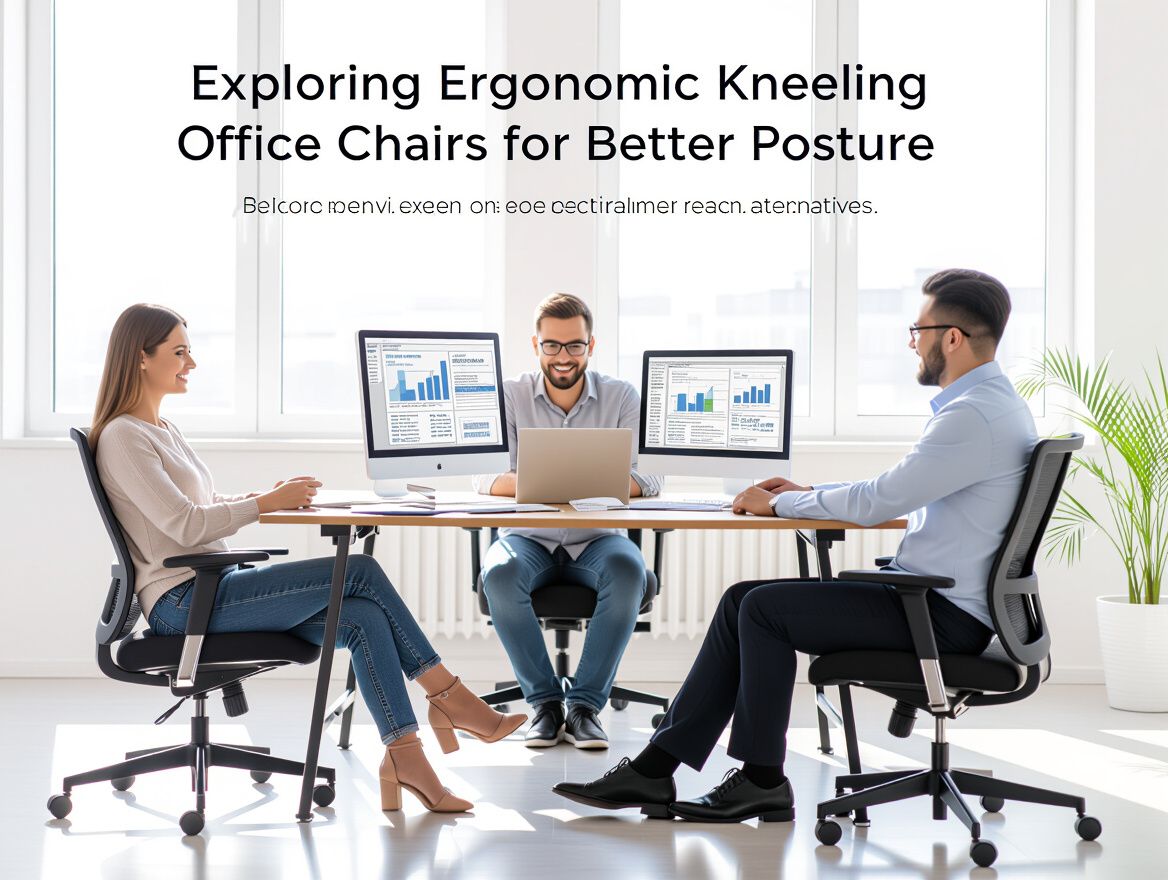
Exploring Ergonomic Kneeling Office Chairs for Better Posture
Understanding Ergonomic Kneeling Office Chairs
Ergonomic kneeling office chairs are designed to promote better posture while working by redistributing weight and encouraging a more natural alignment of the spine. Unlike traditional office chairs that often encourage slumping or poor posture, these chairs position the user in a way that reduces strain on the back and neck, making them a compelling choice for individuals seeking relief from discomfort during long hours of sitting.
These chairs typically feature a kneeling pad and a seat that tilts forward, which helps to open up the hips and align the spine. This design can be particularly beneficial for those who experience back pain or discomfort from prolonged sitting. The relevance of ergonomic kneeling chairs lies in their ability to provide a more dynamic sitting experience, which can lead to improved focus and productivity.
When considering an ergonomic kneeling chair, it's essential to evaluate the following:
- Posture Support: Look for chairs that promote an upright position and reduce pressure on the lower back.
- Comfort and Padding: Ensure there is adequate cushioning on both the seat and knee pads to prevent discomfort during extended use.
- Adjustability: Chairs that offer adjustable height and angle settings can accommodate various body types and desk heights.
- Durability: Consider the materials used in construction to ensure longevity and stability.
Understanding these factors can help you make an informed decision about whether an ergonomic kneeling office chair is right for your workspace and personal comfort needs.
Benefits of Using Ergonomic Kneeling Office Chairs
Ergonomic kneeling office chairs are designed to promote better posture, reduce back pain, and potentially enhance productivity. By encouraging a more open hip angle and aligning the spine, these chairs can significantly improve the user's sitting posture.
Posture Improvement
Kneeling chairs position the body in a way that encourages an upright stance. This design helps to distribute weight more evenly between the knees and the seat, reducing slouching and promoting spinal alignment. As a result, users often experience less strain on the back and neck.
Reduction of Back Pain
Many individuals who switch to ergonomic kneeling chairs report a decrease in chronic back pain. The unique posture these chairs facilitate can relieve tension in the lumbar region, which is often exacerbated by traditional office seating. However, it is essential to note that transitioning to a kneeling chair may initially cause discomfort for some users until they adapt.
Increased Productivity
With improved posture and reduced discomfort, users may find they can concentrate better and work more efficiently. The design of ergonomic kneeling chairs encourages active sitting, which can lead to increased energy levels and focus throughout the workday. However, it's crucial to balance the use of these chairs with regular breaks and changes in position to avoid fatigue.
When considering an ergonomic kneeling office chair, it's important to evaluate individual comfort preferences, the duration of use, and any existing health conditions. This chair type may not be suitable for everyone, so assessing fit and personal needs is vital for optimal benefits.
Key Criteria for Choosing Ergonomic Kneeling Office Chairs
Selecting the right ergonomic kneeling office chair involves evaluating several critical factors that can significantly affect your posture and overall comfort. Here are the essential criteria to consider:
-
Adjustability: Look for chairs that offer multiple adjustment options, such as seat height, knee pad angle, and backrest position. A customizable fit is crucial for accommodating different body types and preferences.
-
Material Quality: The materials used in the chair impact both durability and comfort. Consider chairs with high-density foam padding for better support, breathable fabrics to enhance airflow, and sturdy frames that can withstand daily use.
-
Weight Capacity: Ensure the chair can safely support your weight. Check the manufacturer’s specifications for maximum weight limits to avoid potential risks associated with overloading.
-
Design and Aesthetics: While functionality is key, the design should also blend well with your workspace. Select a chair that complements your office décor while still providing the ergonomic benefits you need.
By carefully considering these criteria, you can identify an ergonomic kneeling office chair that not only improves your posture but also enhances your overall work experience.
Trade-offs and Considerations
When evaluating ergonomic kneeling office chairs, it's crucial to weigh the potential downsides and fit limits against their benefits for posture improvement. Here are some key considerations to keep in mind:
-
Comfort During Prolonged Use: While kneeling chairs are designed to promote better posture by encouraging an open hip angle, they may not provide adequate cushioning for extended periods. Users might experience discomfort in the knees or shins, especially if the chair lacks sufficient padding.
-
Adjustment Period for New Users: Transitioning to a kneeling chair can require an adjustment period. New users may find it challenging to adapt to the different seating position, which can lead to initial discomfort or fatigue. It's important to allow time for your body to adapt to a new posture.
-
Not Suitable for All Body Types: Ergonomic kneeling chairs are not universally suitable. Individuals with specific body types, mobility issues, or certain medical conditions may find these chairs uncomfortable or even detrimental. It's essential to assess personal ergonomics and consult a professional if necessary before making a purchase.
By carefully considering these trade-offs, you can better determine if an ergonomic kneeling office chair aligns with your specific needs and enhances your workspace.
Ideal Use Cases for Ergonomic Kneeling Office Chairs
Ergonomic kneeling office chairs are designed to promote better posture by encouraging an open hip angle and reducing pressure on the lower back. Understanding the ideal scenarios for their use can help you determine if they are the right fit for your workspace needs.
Home Office Setups
In home office environments, ergonomic kneeling chairs can significantly enhance comfort during long hours of work. They are particularly beneficial for individuals who:
- Prefer a compact design that doesn’t take up much space.
- Need an alternative to traditional chairs that may not provide adequate support.
- Work on tasks that require frequent movement or adjustments, as kneeling chairs often facilitate better mobility.
Shared Workspaces
For shared workspaces, ergonomic kneeling chairs can be an excellent choice due to their versatility and ease of adjustment. They are suitable for:
- Collaborative environments where users may have varying heights and preferences.
- Spaces that require quick transitions between different tasks or activities.
- Individuals who may find standing desks uncomfortable, providing a middle ground for posture support.
Specific Professions or Activities
Certain professions or activities can particularly benefit from the use of ergonomic kneeling chairs. These include:
- Designers or artists who spend extended periods sketching or working at a desk, requiring a position that alleviates strain.
- IT professionals engaged in coding or troubleshooting, who may need to shift their posture frequently without losing focus.
- Individuals involved in administrative tasks that require prolonged sitting, as these chairs can help reduce fatigue and promote better alignment.
By assessing these use cases, you can better determine whether an ergonomic kneeling office chair will meet your specific needs and enhance your workspace ergonomics.
Frequently Asked Questions
When considering ergonomic kneeling office chairs, potential buyers often have specific questions regarding their functionality and suitability. Here are some common concerns and queries addressed to help guide your decision-making process.
What problems do these chairs solve?
Ergonomic kneeling chairs are particularly effective in addressing issues related to poor posture. By promoting a more upright position, they can help alleviate strain on the back and neck, which is common in traditional office chair users. The design encourages an open hip angle, which can reduce discomfort during prolonged sitting and enhance overall spinal alignment.
How do they compare to traditional office chairs?
While traditional office chairs often promote slumping and can lead to back pain, ergonomic kneeling chairs offer a different seating experience. They:
- Encourage better posture by positioning the pelvis forward.
- Redistribute weight to reduce pressure on the lower back.
- May require an adjustment period as users adapt to the different seating posture.
However, they may not be suitable for everyone, especially those with knee problems or limited mobility.
What should I know before making a purchase?
Before investing in an ergonomic kneeling office chair, consider the following factors:
- Comfort: Ensure the chair has adequate padding on both the seat and knee pads to avoid discomfort during extended use.
- Adjustability: Look for options that allow for height and angle adjustments. This feature is crucial for accommodating different body types and desk setups.
- Duration of Use: If you plan to use the chair for long hours, assess whether it provides enough support and comfort to prevent fatigue.
- Physical Limitations: Consider any pre-existing conditions, such as knee or hip issues, that may affect your ability to use a kneeling chair comfortably.
By addressing these questions and considerations, you can make a more informed decision about whether an ergonomic kneeling office chair aligns with your needs for improved posture and comfort in your workspace.
Making an Informed Decision
As you consider the benefits of ergonomic kneeling office chairs, it’s essential to weigh both the advantages and potential trade-offs. These chairs can significantly improve posture by promoting spinal alignment and reducing lower back strain, making them an appealing choice for those seeking relief from discomfort during extended periods of sitting. However, the benefits come with considerations that are crucial for making the right choice for your specific needs.
Key Considerations:
-
Comfort vs. Support: While ergonomic kneeling chairs can enhance posture, they may require an adjustment period. Some users may find the kneeling position uncomfortable initially, particularly if they are accustomed to traditional seating.
-
Activity Level: These chairs are best suited for individuals who engage in tasks that require extended focus without frequent movement. If your work involves a lot of mobility or standing, a traditional office chair may be more appropriate.
-
Body Type Compatibility: Not all ergonomic kneeling chairs fit every body type. It's important to assess whether the chair’s design and adjustability align with your height, weight, and personal comfort preferences.
-
Long-term Use: Consider how the chair will fit into your daily routine. If you plan to use it for several hours every day, ensure it has sufficient padding and adjustability to maintain comfort throughout.
Before making a purchase, take the time to evaluate these factors carefully. Ensuring that the ergonomic kneeling chair aligns with your specific posture improvement goals and work habits will enhance your overall experience and satisfaction.
More in Ergonomic Office Chairs
View All