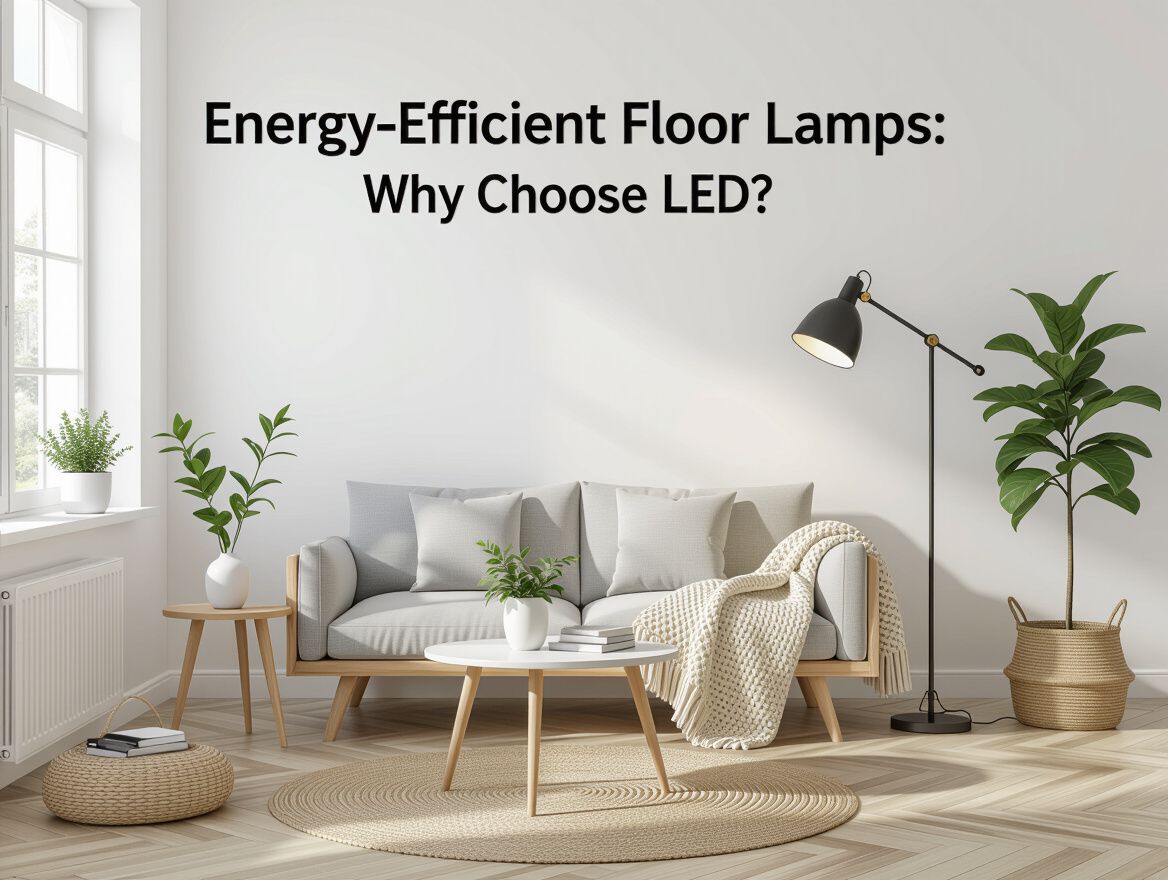
Energy-Efficient Floor Lamps: Why Choose LED?
The Rise of LED Floor Lamps
LED floor lamps have surged in popularity due to their energy efficiency and longevity compared to traditional lighting options. These lamps utilize Light Emitting Diodes (LEDs), which convert electricity directly into light, resulting in minimal energy waste. This technology not only reduces electricity consumption but also contributes to lower utility bills, making them an attractive choice for consumers focused on sustainable living.
Key Advantages of LED Floor Lamps:
- Energy Efficiency: LED floor lamps use significantly less energy than incandescent or fluorescent lamps, often consuming up to 80% less power.
- Longevity: With a lifespan of up to 25,000 hours or more, LED lamps last much longer, reducing the need for frequent replacements.
- Lower Heat Emission: LEDs produce less heat, minimizing the risk of burns and reducing the need for cooling in warmer climates.
Considerations When Choosing LED Floor Lamps:
- Initial Cost: While the upfront cost of LED lamps may be higher, the long-term savings on energy bills can offset this expense.
- Light Quality: Different LED lamps offer varying color temperatures and brightness levels, so it’s essential to select one that suits your space and preferences.
- Compatibility: Ensure that the LED floor lamp is compatible with dimmers or smart home systems if you plan to incorporate these features.
As you consider adding LED floor lamps to your home, weigh these benefits against your lighting needs and preferences. Understanding the rise of LED technology can guide you in making informed decisions for a more energy-efficient future.
Why Choose LED Floor Lamps?
LED floor lamps offer a range of advantages that make them a compelling choice for consumers seeking energy-efficient lighting solutions. Understanding these benefits helps inform your purchasing decision.
Energy Savings
One of the most significant benefits of LED technology is its energy efficiency. Compared to traditional incandescent bulbs, LED floor lamps consume significantly less electricity. This reduced energy consumption translates to lower utility bills over time, making them an economical choice for long-term use.
Longevity and Maintenance
LED bulbs have an impressive lifespan, often lasting up to 25,000 hours or more. This longevity means fewer replacements and less frequent maintenance. For consumers, this translates to reduced hassle and cost associated with changing bulbs, making LED floor lamps a convenient option.
Environmental Impact
Choosing LED floor lamps also contributes positively to the environment. Their lower energy consumption results in reduced greenhouse gas emissions when considering the energy sources used for electricity generation. Additionally, LEDs do not contain harmful substances like mercury, which is found in some traditional bulbs, further reducing their environmental footprint.
Considerations Before Purchase
When selecting LED floor lamps, consider the following factors:
- Brightness Levels: Ensure the lumens output meets your lighting needs.
- Color Temperature: LEDs come in various color temperatures, affecting the ambiance of your space. Warmer tones create a cozy feel, while cooler tones are more energizing.
- Design and Style: Look for lamps that complement your decor while providing the desired functionality.
By weighing these benefits and considerations, you can make an informed choice that aligns with your lighting needs and environmental values.
Key Buying Criteria for LED Floor Lamps
When considering LED floor lamps, it's essential to evaluate specific features that align with your lighting needs and aesthetic preferences. Here’s a checklist to guide your purchase decision:
-
Brightness (Lumens) and Color Temperature:
- Assess the lumens output to determine the brightness level suitable for your space. For general lighting, look for lamps with at least 800 lumens.
- Consider the color temperature, measured in Kelvins (K). A range of 2700K to 3000K provides a warm light ideal for cozy settings, while 4000K to 5000K offers a cooler, more energizing ambiance.
-
Design and Style Considerations:
- Choose a design that complements your existing decor. LED floor lamps come in various styles, from sleek modern designs to more traditional looks.
- Pay attention to the materials used; metal, wood, or fabric can significantly influence the lamp’s aesthetic and overall feel in your room.
-
Adjustability and Functionality:
- Look for features such as adjustable heights or swiveling heads, which allow you to direct light where it’s needed.
- Consider additional functionalities like dimming options or built-in smart technology for enhanced control over your lighting environment.
By focusing on these criteria, you can select an LED floor lamp that not only meets your energy efficiency goals but also fits seamlessly into your home.
Understanding Trade-offs and Limitations
While LED floor lamps offer notable energy efficiency and longevity, it's essential to consider the trade-offs and limitations before making a purchase. Understanding these factors can help you make a more informed decision that aligns with your lighting needs.
-
Initial Cost vs. Long-term Savings: LED floor lamps typically have a higher upfront cost compared to traditional incandescent or fluorescent options. However, their energy efficiency can lead to significant savings on electricity bills over time. It's crucial to weigh the initial investment against the potential long-term savings to determine if this trade-off is acceptable for your budget.
-
Compatibility with Existing Fixtures: If you plan to replace an existing bulb in a floor lamp, ensure that the LED replacement is compatible with your fixture. Some older models may not support LED bulbs, which could require additional modifications or purchases. Always check the specifications before committing to an LED option.
-
Quality Variations Among Brands: Not all LED floor lamps are created equal. There can be considerable differences in light quality, color temperature, and durability among brands. It's advisable to research various manufacturers and read reviews to ensure you choose a brand known for quality, as this can impact your overall satisfaction with the product.
By considering these trade-offs and limitations, you can make a more confident decision when selecting LED floor lamps that meet your energy efficiency and longevity needs.
Frequently Asked Questions About LED Floor Lamps
When considering floor lamps LED as your lighting solution, it's essential to address common questions that can inform your purchase decision. Here are some key points to help clarify the advantages and considerations of LED floor lamps.
What makes LED lamps different from other types?
LED lamps stand out primarily due to their energy efficiency and longevity. Unlike incandescent or fluorescent bulbs, LED floor lamps consume significantly less electricity while providing the same or greater illumination. Additionally, they have a longer lifespan, often lasting up to 25,000 hours or more, which means fewer replacements and less waste over time.
How do I choose the right brightness for my space?
Selecting the appropriate brightness involves considering the size of your room and the intended use of the lamp. Here are some tips:
- Lumens: Look for the lumens rating; higher lumens indicate brighter light. For reading or task lighting, aim for 800-1600 lumens.
- Dimming Options: If you want flexibility, consider LED floor lamps with dimming features to adjust brightness according to your needs.
- Color Temperature: Choose a color temperature that suits your space; warmer tones (2700K-3000K) create a cozy atmosphere, while cooler tones (4000K-5000K) are better for work environments.
Are there specific maintenance needs for LED lamps?
One of the advantages of LED floor lamps is their low maintenance requirements. Unlike traditional bulbs, LEDs do not require frequent replacements. However, to ensure optimal performance:
- Cleaning: Regularly dust the lamp and clean the bulbs to maintain brightness.
- Check Connections: Periodically inspect the electrical connections and cords for any signs of wear or damage.
- Heat Management: Ensure adequate ventilation around the lamp to prevent overheating, as excessive heat can shorten the lifespan of the LEDs.
By understanding these aspects, you can make a more informed decision when selecting LED floor lamps for your home.
Making the Right Choice for Your Space
When considering floor lamps LED for your home, it's essential to weigh the benefits against the specific needs of your space. LED floor lamps are renowned for their energy efficiency and longevity, often using up to 75% less energy than traditional incandescent bulbs while lasting significantly longer—up to 25,000 hours or more. This means reduced electricity bills and fewer bulb replacements over time.
However, as you make your decision, consider the following:
- Light Quality: LED lights can vary in color temperature and brightness. Choose a model that complements your room's ambiance.
- Design and Style: Ensure the lamp's design fits your aesthetic. LED options come in various styles, from modern to classic.
- Placement and Space: Assess the dimensions of your room and the lamp's height. Some LED floor lamps may not be suitable for smaller spaces due to their size or design.
- Dimming Features: Some LED lamps offer dimming capabilities, enhancing versatility for different activities and moods.
By taking these factors into account, you can make an informed choice that aligns with your lighting needs while enjoying the benefits of energy efficiency and long-lasting performance that LED floor lamps provide.