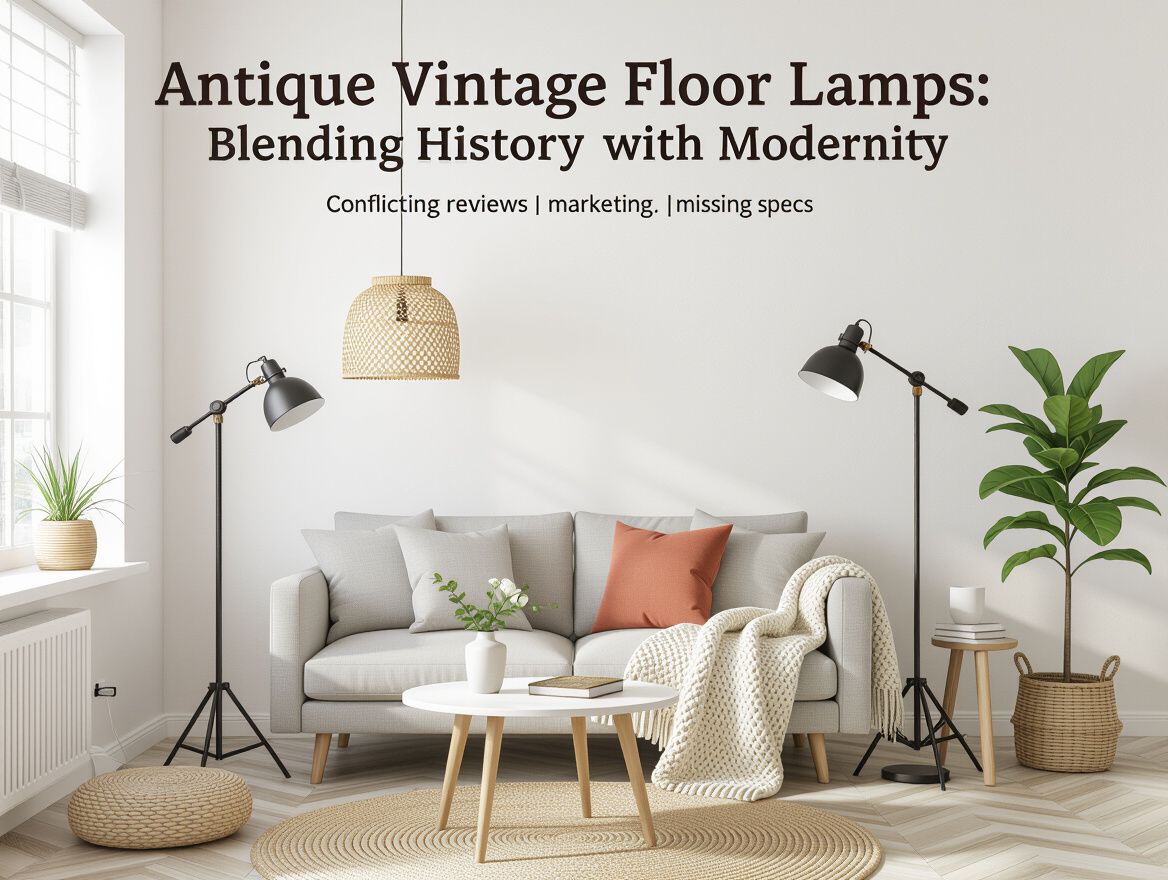
Combining Floor and Table Lamps for Optimal Lighting
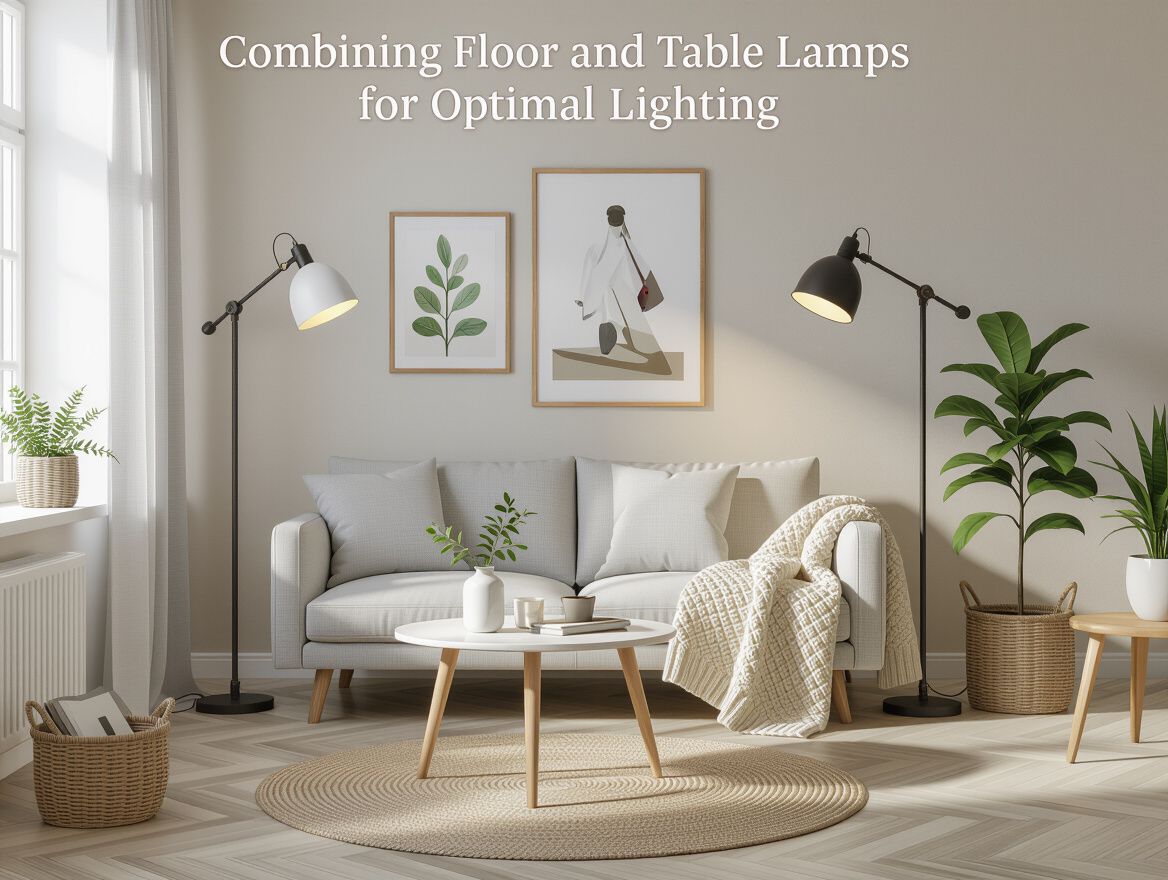
Understanding the Importance of Layered Lighting
Layered lighting is a fundamental concept in interior design that involves the strategic combination of different light sources to create a well-lit and inviting environment. This approach not only enhances the aesthetic appeal of a space but also serves practical purposes by providing adequate illumination for various activities. By integrating multiple layers of light—ambient, task, and accent—you can achieve a harmonious balance that meets both functional and decorative needs.
Floor and table lamps play a crucial role in this layered lighting scheme. When used in conjunction, they complement each other beautifully, offering flexibility and versatility in how you illuminate your living spaces. Here are some key benefits of combining floor and table lamps:
- Versatility: Floor lamps can provide general illumination while table lamps can focus on specific areas, allowing for tailored lighting solutions.
- Space-Saving: Using both types can help you maximize light distribution without overwhelming a room with overhead fixtures.
- Style Cohesion: Choosing lamps that share design elements can create a cohesive look, enhancing the overall decor of your space.
- Adjustable Ambiance: Different lamp types allow you to easily adjust the mood of a room, whether you need bright light for reading or softer tones for relaxation.
As you explore the possibilities of combining floor and table lamps, consider your specific lighting needs and the unique characteristics of your space. This thoughtful approach will help you create a balanced and inviting atmosphere that reflects your personal style.
Key Criteria for Selecting Floor and Table Lamps
When enhancing your living space with floor and table lamps, it's essential to consider several key criteria to create a balanced lighting scheme. Here’s a checklist to guide your selection process:
-
Room Size and Layout:
- Assess the dimensions of your room. Larger spaces may require multiple light sources to avoid darkness in corners, while smaller rooms might need compact options to maximize space.
- Consider the layout of your furniture. Ensure that the lamps complement the arrangement without obstructing pathways or creating clutter.
-
Lamp Height and Style Compatibility:
- Choose floor lamps with heights that harmonize with your table lamps. A general guideline is to ensure that the light source is at eye level when seated, which typically means floor lamps should be around 58-64 inches tall.
- Match styles to maintain a cohesive aesthetic. For instance, if your table lamp is modern, opt for a similarly styled floor lamp to avoid visual dissonance.
-
Light Bulb Type and Brightness Options:
- Evaluate the type of bulbs used in both lamps. LED bulbs are energy-efficient and have a longer lifespan, while incandescent bulbs may provide a warmer glow.
- Consider the brightness levels. A combination of soft ambient light from table lamps and focused task lighting from floor lamps can enhance functionality.
-
Energy Efficiency Considerations:
- Look for energy-efficient options to reduce electricity costs over time. Many modern lamps come with features such as dimmers or smart technology that allows you to control brightness and energy use.
- Check for energy ratings or certifications that indicate lower energy consumption for both floor and table lamps.
By carefully considering these criteria, you can create a lighting scheme that not only meets your aesthetic preferences but also enhances the functionality of your living space.
Evaluating Trade-offs Between Floor and Table Lamps
When enhancing your living space with lighting, understanding the trade-offs between floor lamps and table lamps is essential. Each type of lamp serves different purposes and brings unique advantages and disadvantages to your home.
Space-saving vs. Illumination Coverage
- Floor Lamps: Typically provide broader illumination, making them ideal for larger areas or rooms with high ceilings. They can create ambient lighting that fills a space effectively.
- Table Lamps: Offer localized lighting, perfect for smaller spaces or tasks such as reading. However, they may not illuminate larger areas as effectively as floor lamps.
Cost Differences and Budget Considerations
- Floor Lamps: Generally, these can be more expensive due to their size and the complexity of design. However, they may reduce the need for multiple light sources in larger rooms, potentially offsetting initial costs.
- Table Lamps: Usually more budget-friendly and can be purchased in sets, allowing for a cohesive look without a significant financial commitment. They also provide flexibility in placement but may require multiple units for adequate coverage.
Aesthetic Impact on Room Design
- Floor Lamps: Often serve as statement pieces that can enhance the overall aesthetic of a room. Their height and design can draw the eye and add a sculptural element.
- Table Lamps: Can complement other furnishings and provide a more intimate, cozy atmosphere. They are versatile and can be easily swapped out to refresh a space’s look.
By weighing these factors carefully, homeowners and renters can make informed decisions about which lamps best suit their lighting needs and design preferences. Consider your specific use case, budget, and style to select the right combination of floor and table lamps for a balanced lighting scheme.
Finding the Right Fit for Your Space
When it comes to creating a balanced lighting scheme, the choice of floor and table lamps can significantly impact the atmosphere of your living space. Understanding the unique lighting needs of different rooms will help you select and combine these lamps effectively.
Living Room vs. Bedroom Lighting Needs
- Living Room: This space often requires versatile lighting for various activities, from entertaining guests to relaxing. A combination of bright floor lamps for general illumination and softer table lamps for ambient lighting can create a welcoming environment.
- Bedroom: Prioritize softer, warmer lighting to promote relaxation. Bedside table lamps should provide adequate light for reading, while a strategically placed floor lamp can enhance the overall ambiance without being overpowering.
Combining Styles for Eclectic Decor
- Mixing Designs: Feel free to mix and match styles, such as pairing a modern floor lamp with vintage table lamps. This eclectic approach can add character and depth to your decor.
- Functional Harmony: Ensure both lamps serve complementary purposes. A stylish floor lamp can provide task lighting, while the table lamp adds decorative flair.
Creating a Cohesive Look with Color and Material
- Color Coordination: Use similar color palettes to create a unified look. For instance, if your floor lamp is a bold color, consider table lamps with accents of that color to tie the room together.
- Material Consistency: Combining lamps made from the same materials, such as metal or wood, can enhance the room's cohesiveness. For example, a wooden floor lamp paired with wooden table lamps creates a seamless visual flow.
By carefully considering these factors when selecting floor and table lamps, you can enhance your living space's functionality and aesthetic appeal, ensuring a harmonious lighting scheme that meets your specific needs.
Potential Risks and Considerations
When integrating floor lamps and table lamps into your lighting scheme, several pitfalls could undermine your efforts to create a harmonious atmosphere. Understanding these risks can help you make informed decisions that enhance your living space.
-
Over-lighting or Under-lighting: Striking the right balance in lighting is crucial. Too much light can create an uncomfortable glare, while too little can leave your space feeling gloomy. Consider the wattage and lumens of each lamp to ensure they complement rather than overpower each other.
-
Clashing Decor: The aesthetic of your lamps should align with your existing decor. A mismatch in styles, colors, or materials can disrupt the visual flow of your space. Take time to assess how new lamps will interact with your furniture and overall design theme.
-
Maintenance Needs: Different lamp types come with varying maintenance requirements. For instance, floor lamps may require more cleaning due to their height and accessibility, while table lamps might be easier to manage but could need frequent bulb replacements. Evaluate your willingness to commit to the upkeep each lamp type demands.
By being aware of these considerations, you can better navigate the selection process and achieve a well-lit, visually appealing environment that meets your needs.
Frequently Asked Questions About Floor and Table Lamps
What are the best combinations of floor and table lamps?
The ideal combination of floor and table lamps largely depends on the room’s purpose and desired ambiance. Here are some considerations:
- Layered Lighting: Use a floor lamp for general illumination and table lamps for task lighting, such as reading or working.
- Height Variation: Pair tall floor lamps with shorter table lamps to create visual interest and balance.
- Style Harmony: Choose lamps that share a common design element—such as color, material, or shape—to ensure cohesion in your decor.
How does lamp placement affect lighting quality?
The placement of your lamps significantly impacts the overall lighting quality in a room. Consider the following:
- Room Size: In larger spaces, place floor lamps in corners to diffuse light evenly, while table lamps can be placed on side tables for focused illumination.
- Functionality: Ensure task-oriented lamps (like table lamps) are positioned where activities occur, such as next to a sofa or bed.
- Light Direction: Adjust the angle of lamps to avoid harsh shadows or glares, enhancing comfort and visibility.
Can I use different styles of lamps in the same room?
Yes, mixing different styles of floor and table lamps can add character to your space, but it requires careful consideration:
- Cohesive Color Palette: Ensure that the colors of the lamps complement each other and fit within the room’s overall color scheme.
- Design Balance: Combine modern and traditional lamps by focusing on shared shapes or materials to maintain a sense of unity.
- Avoid Clutter: Limit the number of different styles to two or three to prevent visual chaos and maintain a streamlined look.
By addressing these common questions, you can make informed decisions when selecting and combining floor and table lamps to enhance your living space effectively.
Final Thoughts on Combining Floor and Table Lamps
In conclusion, the strategic combination of floor and table lamps can significantly enhance your living space by providing both functionality and style. By understanding how to effectively pair these two types of lighting, you can create a balanced illumination scheme tailored to your unique needs.
When choosing floor and table lamps, consider the following factors:
- Purpose: Identify the main activities in each area of your home. For example, if you often read in a particular corner, a focused table lamp can complement a general floor lamp to provide layered lighting.
- Style Compatibility: Ensure that your lamps share design elements—such as color, material, or shape—to create a cohesive look that enhances your decor.
- Space Considerations: Evaluate the size and layout of your room. Floor lamps can fill vertical space, while table lamps can be placed on surfaces to maximize light distribution without cluttering the area.
- Adjustability: Look for lamps with adjustable brightness or direction. This flexibility allows you to modify the ambiance based on the time of day or activity.
Ultimately, the success of your lighting scheme depends on thoughtful selection and placement. By considering your specific requirements and preferences, you can create a harmonious and inviting atmosphere that reflects your personal style while meeting practical lighting needs.