Choosing the Right Office Furniture: Ergonomic Chairs Explained
Understanding Ergonomic Chairs and Their Importance
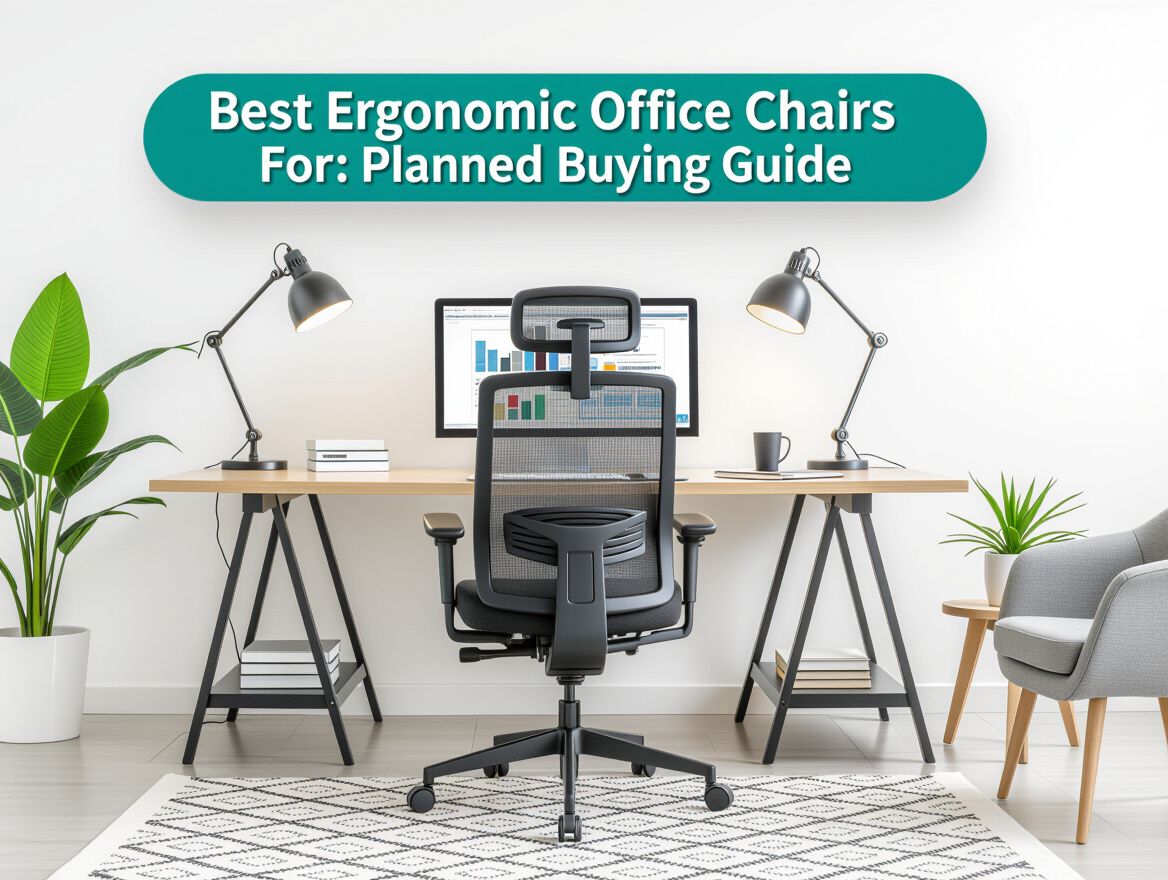
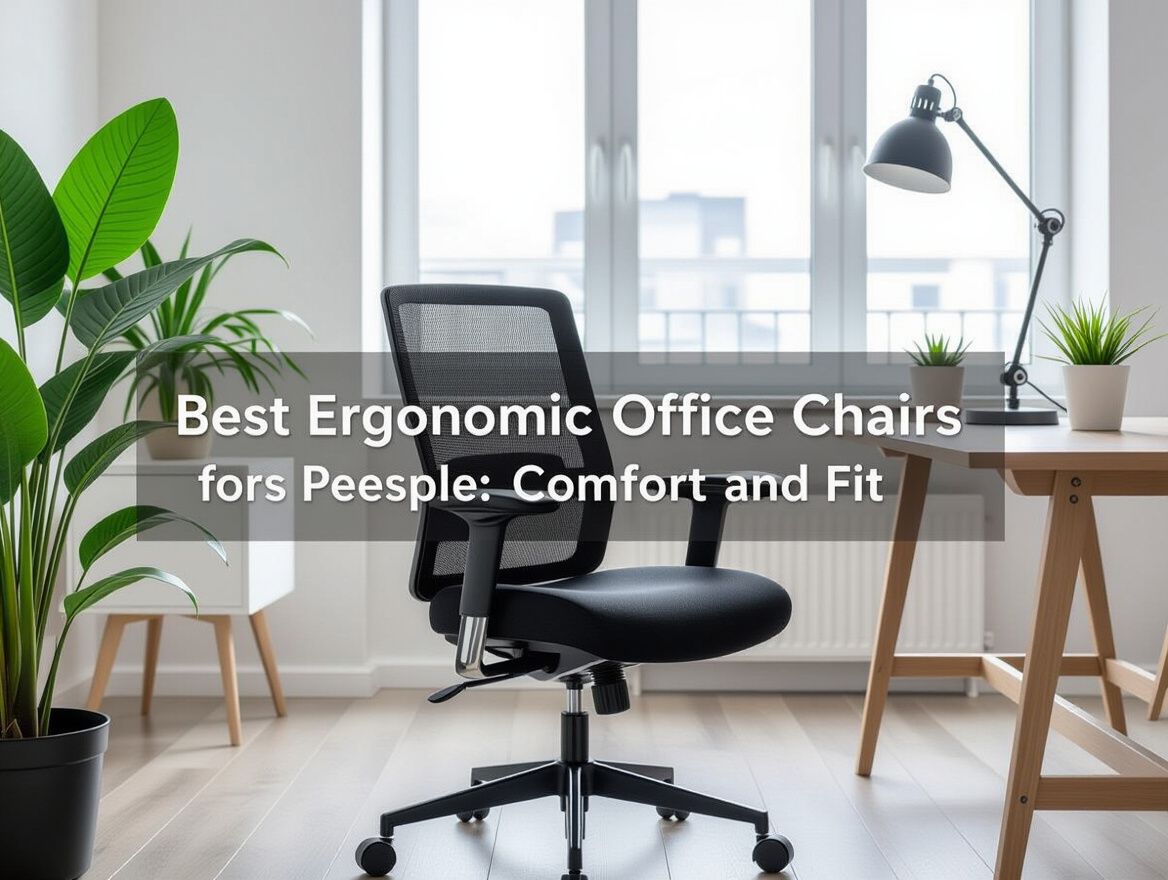
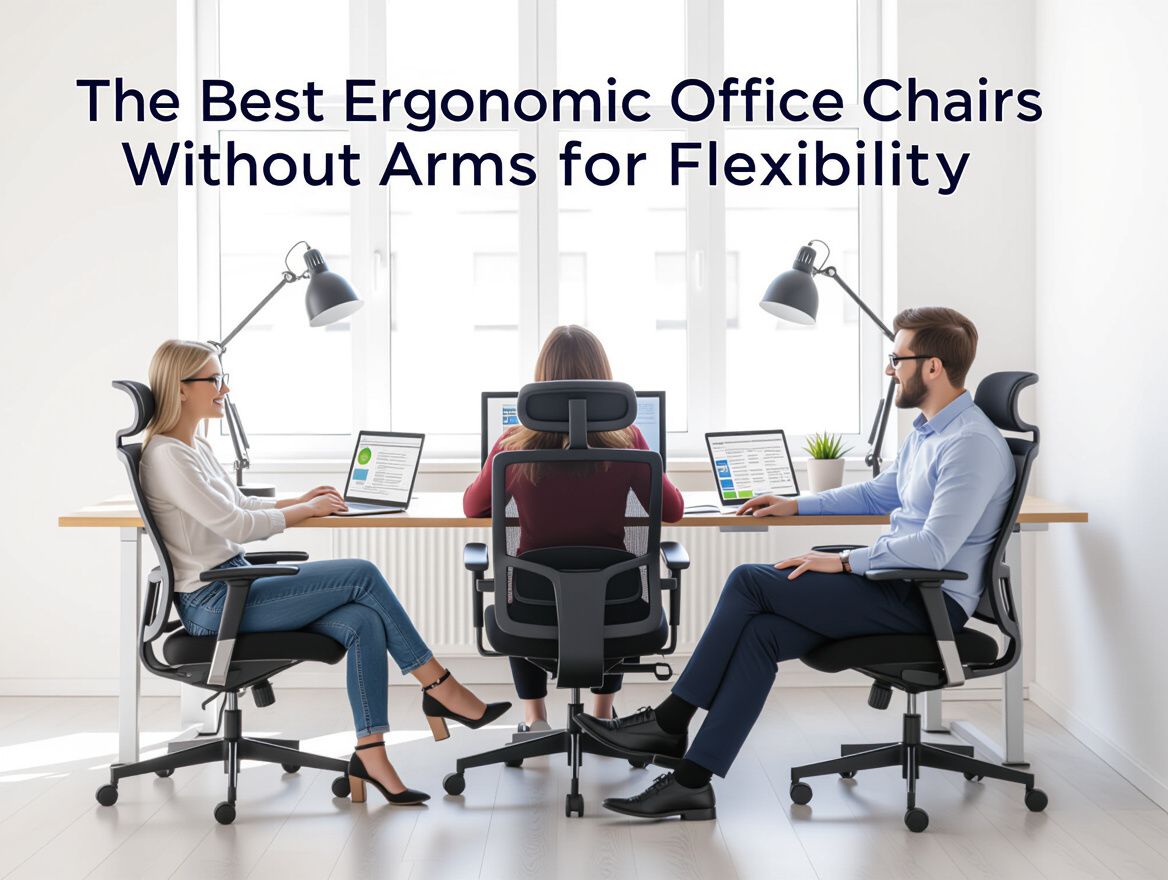
Ergonomic chairs are specifically designed to support the natural posture of the body, promoting comfort and reducing the risk of injury during prolonged sitting. Unlike standard office chairs, ergonomic options often feature adjustable components, including seat height, lumbar support, and armrests, allowing users to customize their seating experience to fit their individual needs.
The benefits of ergonomic chairs extend beyond mere comfort; they can significantly enhance productivity and overall well-being in the workplace. Research indicates that a well-designed ergonomic chair can lead to reduced fatigue, improved focus, and a decrease in musculoskeletal disorders, which are common among individuals who spend long hours at a desk.
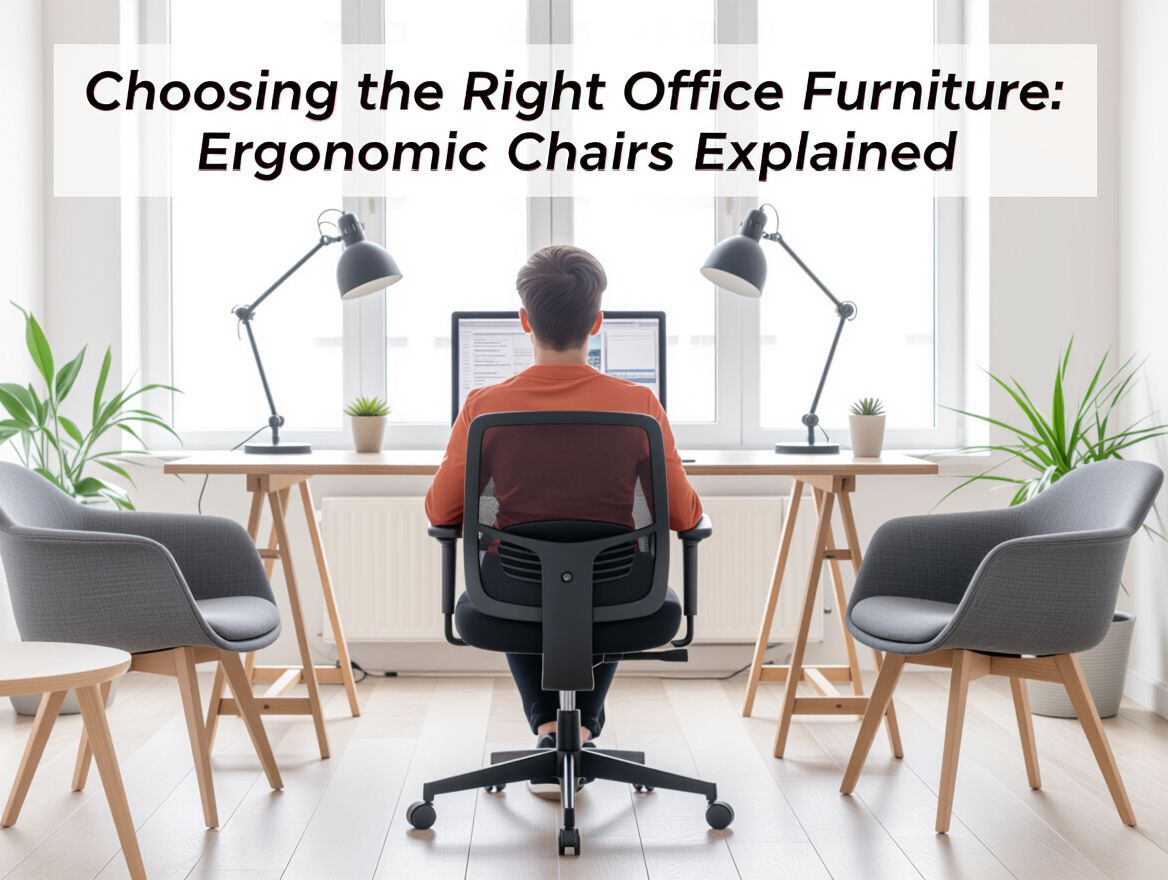
Incorporating ergonomic chairs into your office furniture setup is essential for creating a conducive work environment. When selecting these chairs, consider how they integrate with other office elements, such as desks and technology. The right ergonomic chair not only complements your overall workspace aesthetic but also contributes to a holistic approach to health and productivity, ensuring that your office remains a space where both comfort and efficiency thrive.
Key Criteria for Selecting Ergonomic Chairs
When choosing office furniture ergonomic chairs, it's essential to consider several key criteria that will influence comfort, productivity, and long-term satisfaction. Here’s a checklist to guide your selection process:
-
Adjustability Features: Look for chairs that offer multiple adjustment settings, including seat height, armrest height, backrest angle, and lumbar support. These features allow users to customize the chair to their specific body dimensions and preferences, which can help reduce strain during long hours of sitting.
-
Material and Build Quality: The materials used in the chair's construction can greatly affect both comfort and durability. Opt for breathable fabrics that enhance airflow and cushions that provide adequate support without sacrificing firmness. Additionally, ensure the chair has a sturdy frame to withstand daily use.
-
Support for Different Body Types: Not all ergonomic chairs are designed to accommodate every body type. Consider options that offer a wide range of weight capacity and adjustable lumbar support to cater to different users. This ensures that everyone can find a comfortable and supportive fit.
-
Price vs. Long-term Investment: While it may be tempting to opt for the cheapest option, consider the long-term benefits of investing in a high-quality ergonomic chair. A well-constructed chair can reduce health issues related to poor posture and discomfort, potentially saving money on medical bills and increasing productivity over time.
By evaluating these criteria, you can make an informed decision that will enhance your office environment and support your well-being in the workplace.
Trade-offs and Considerations in Choosing Ergonomic Chairs
Selecting the right ergonomic chair involves weighing several important trade-offs that can significantly affect your office setup and overall comfort. Understanding these considerations can help you make a more informed choice that aligns with your specific needs.
Cost vs. Comfort
Investing in ergonomic chairs often means navigating the balance between cost and comfort. While higher-priced options may offer superior comfort and advanced features, budget-friendly models can still provide essential ergonomic benefits. Consider:
- Long-term health benefits: A more comfortable chair may reduce the risk of back pain and improve productivity over time.
- Initial investment vs. ongoing costs: Cheaper chairs may require replacement sooner, leading to higher long-term costs.
Durability vs. Aesthetics
The visual appeal of your office furniture can impact the overall workplace environment. However, prioritizing aesthetics over durability may lead to premature wear and tear. Key points to evaluate include:
- Material quality: Chairs made from sturdy materials may last longer, even if they are less visually appealing.
- Design versatility: Aesthetically pleasing chairs can enhance office decor, but ensure they do not compromise on essential ergonomic features.
Features vs. Ease of Use
Modern ergonomic chairs come equipped with a variety of features designed to enhance comfort and support. However, an abundance of features can sometimes complicate usability. Keep these factors in mind:
- Adjustability: Chairs with numerous adjustable settings may provide a tailored fit but could be overwhelming for some users.
- User-friendliness: Simpler chairs might lack advanced features but offer straightforward adjustments that cater to a wider range of users.
By considering these trade-offs, you can better align your choice of ergonomic chairs with your office needs, ensuring that your investment yields both comfort and functionality in your workspace.
Potential Risks When Purchasing Ergonomic Chairs
While ergonomic chairs are designed to enhance comfort and support, there are several potential risks and caveats to consider before making a purchase. Understanding these factors can help you make a more informed decision and avoid common pitfalls.
-
Misleading Claims from Manufacturers: Some ergonomic chairs may come with exaggerated marketing claims about their benefits. It’s essential to research and verify the features of a chair rather than solely relying on promotional materials. Read user reviews and seek unbiased opinions to get a clearer picture of the chair's actual performance.
-
Importance of Trying Before Buying: Ergonomics is highly subjective; what works for one person may not work for another. If possible, test the chair in-store or through a trial period to ensure that it meets your comfort needs and supports your body correctly. This step can prevent dissatisfaction and the need for returns.
-
Long-Term Satisfaction and Adjustments Needed: Ergonomic chairs often require adjustments to suit individual preferences and body types. Be prepared for a period of adjustment as you learn how to optimize the chair for your specific needs. If you don’t take the time to adjust, you may not experience the intended benefits, leading to frustration over time.
By keeping these risks in mind, you can navigate the selection process with greater awareness and confidence, ultimately leading to a more satisfying ergonomic chair purchase.
Frequently Asked Questions About Ergonomic Chairs
What buyer problem do ergonomic chairs solve?
Ergonomic chairs address several critical issues associated with prolonged sitting, including discomfort, poor posture, and the risk of musculoskeletal disorders. These chairs are engineered to support the natural curvature of the spine, encouraging healthy sitting habits and reducing strain on the back and neck. For individuals or businesses investing in office furniture, ergonomic chairs provide a solution that not only enhances comfort but also promotes long-term health and productivity.
How do ergonomic chairs compare to standard chairs?
Unlike standard chairs, which often lack adjustability and tailored support, ergonomic chairs offer a range of customizable features. Key differences include:
- Adjustability: Ergonomic chairs typically include adjustable seat heights, lumbar support, and armrests, allowing users to modify the chair to fit their unique body dimensions.
- Support: They are designed to distribute weight more evenly and reduce pressure points, which can lead to discomfort and fatigue.
- Materials: Ergonomic chairs often use high-quality, breathable materials that enhance comfort over extended periods, unlike many standard chairs that may use less supportive foam or fabric.
What are the best practices for using ergonomic chairs?
To maximize the benefits of an ergonomic chair, consider the following best practices:
- Adjust to Fit: Ensure that the chair is adjusted to your height, with feet flat on the ground and knees at a 90-degree angle.
- Maintain Posture: Sit back in the chair to utilize lumbar support effectively, keeping your back straight and shoulders relaxed.
- Take Breaks: Incorporate regular breaks to stand and stretch, as prolonged sitting—even in an ergonomic chair—can lead to discomfort.
By understanding these common queries and implementing best practices, users can make informed decisions about integrating ergonomic chairs into their office setups, ultimately enhancing both comfort and productivity in the workplace.
Making the Right Choice for Your Office Furniture
Selecting the right ergonomic chair is a pivotal decision for enhancing your office environment. As you consider your options, keep in mind the following key criteria and trade-offs:
-
Adjustability: Look for chairs that offer multiple adjustment features, such as seat height, lumbar support, and armrest positioning. This ensures a customized fit that caters to individual preferences and body types.
-
Material Quality: The chair's materials can impact both comfort and durability. Breathable fabrics can enhance comfort during long hours of use, while sturdy construction ensures longevity.
-
Support Level: Assess the level of support provided, particularly in the lumbar region. Insufficient support can lead to discomfort and long-term health issues.
-
Aesthetic Compatibility: Consider how the chair fits into your overall office design. A cohesive look can enhance the workspace's professionalism and comfort.
-
Budget Constraints: Evaluate how much you are willing to invest. While higher-priced ergonomic chairs often come with advanced features, there are budget-friendly options that still provide essential ergonomic benefits.
Before making a purchase, reflect on how these factors align with your specific needs and workspace. Ergonomic chairs are not just a luxury; they can significantly impact productivity and health by reducing discomfort and promoting better posture. Thoughtful consideration of your selection criteria will lead to a more effective and enjoyable office setup.
More in Ergonomic Office Chairs
View All