Choosing Ergonomic Chairs with Adjustable Lumbar Support
Understanding Ergonomic Chairs and Lumbar Support
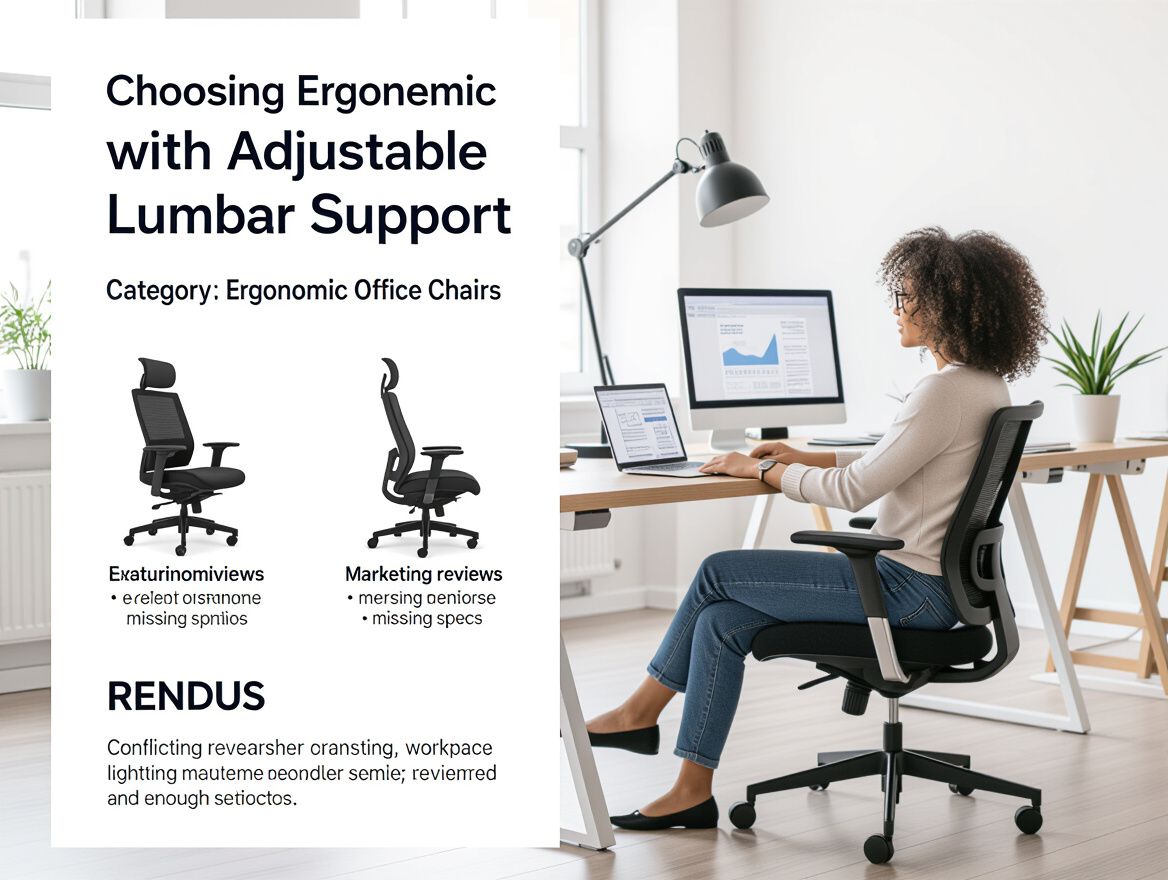
Ergonomic office chairs are designed to support the natural alignment of the body, reducing strain during long hours of sitting. A key feature of these chairs is adjustable lumbar support, which provides essential back support tailored to individual needs. This customization helps in maintaining proper posture and alleviating discomfort, particularly in the lower back region.
Importance of Lumbar Support
Lumbar support is crucial for preventing back pain and promoting a healthy spine. It helps fill the gap between the lower back and the chair, encouraging a neutral spine position. This support is particularly beneficial for those who spend extended periods seated, as it can reduce fatigue and improve overall comfort.
Overview of Adjustable Features
Adjustable lumbar support allows users to modify the chair's backrest to their specific body shape and size. Key adjustable features to look for include:
- Height Adjustment: Ensures the lumbar support aligns with the natural curve of your spine.
- Depth Adjustment: Allows you to control how far the support pushes against your back.
- Tension Control: Adjusts the firmness of the lumbar support to suit personal comfort levels.
When selecting an ergonomic chair, consider how these features align with your personal comfort preferences and workspace requirements. Understanding these elements will help you make a more informed choice that promotes both health and productivity.
Key Features to Consider When Choosing an Ergonomic Chair
Selecting the right ergonomic office chair with adjustable lumbar support is crucial for maintaining comfort and posture, especially during long hours of sitting. Here’s a checklist of key features to evaluate:
-
Adjustability of Lumbar Support: Look for chairs that allow you to adjust the lumbar support height and depth. This customization helps accommodate your spine's natural curve and provides targeted support, reducing strain on your lower back.
-
Seat Height and Depth: Ensure the chair seat height is adjustable to fit your desk and body size. The seat depth should allow you to sit back comfortably while leaving a few inches between the back of your knees and the seat edge to promote circulation.
-
Material and Build Quality: Choose a chair made from durable materials that offer both comfort and support. Breathable fabrics can enhance airflow, while high-density foam provides better cushioning and longevity.
-
Armrest Adjustability: Armrests should be adjustable in height and width to support your arms comfortably while typing or using a mouse. This feature helps prevent shoulder and neck tension.
-
Weight Capacity: Verify the chair's weight capacity to ensure it can adequately support your body weight. This consideration is essential for both safety and comfort, as chairs that are rated for higher weights often have sturdier constructions.
By carefully evaluating these features, you can select an ergonomic chair that not only enhances your comfort but also supports your long-term health while working.
Evaluating Trade-offs in Ergonomic Chair Features
When selecting ergonomic office chairs with adjustable lumbar support, understanding the trade-offs between various features is essential for making an informed decision. Each feature you prioritize may come with its own set of compromises.
Cost vs. Quality
- Budget Constraints: Lower-priced chairs may lack advanced features or durable materials, potentially compromising comfort and support.
- Long-term Investment: Higher-quality chairs often come with better warranties and materials that can enhance longevity and user satisfaction.
Adjustability vs. Stability
- Enhanced Customization: Chairs with multiple adjustable settings allow for a more tailored fit, which can improve comfort over long periods.
- Potential Instability: Increased adjustability can sometimes lead to a less stable chair, which may not support all body types or movements effectively.
Material Comfort vs. Durability
- Immediate Comfort: Softer materials may provide initial comfort but can wear out quicker, leading to a decline in support over time.
- Long-lasting Support: More durable materials, while potentially less comfortable at first, can maintain their supportive characteristics for years, making them a more practical choice for long-term use.
By carefully weighing these trade-offs, you can better align your ergonomic chair choice with your specific needs and preferences, ensuring a balance between comfort, support, and investment value.
Assessing Your Fit: Finding the Right Chair for Your Body
Choosing an ergonomic office chair with adjustable lumbar support involves understanding your unique body dimensions and posture needs. This ensures that the chair you select will provide the necessary support for long hours of sitting, reducing discomfort and enhancing productivity.
Measuring Body Dimensions
Start by measuring your height, weight, and leg length. Knowing these dimensions will help you find a chair that accommodates your body type. Pay attention to:
- Seat Height: Ensure that the chair adjusts so that your feet can rest flat on the ground, with your knees at a 90-degree angle.
- Seat Depth: The seat should allow for 2-4 inches between the back of your knees and the seat edge to provide proper leg support.
- Backrest Height: The backrest should align with your lower back's natural curve, which is crucial for lumbar support.
Understanding Posture Needs
Assess your typical sitting posture. If you tend to slouch or lean forward, look for chairs that not only provide lumbar support but also encourage an upright position. Consider:
- Adjustability: Look for chairs with adjustable lumbar support that can be moved up or down to fit the curve of your spine.
- Tilt Mechanism: A chair with a tilt feature can help you shift your weight and maintain comfort throughout the day.
Testing Chair Fit
If possible, test the chair before purchasing. Sit in it for at least 10-15 minutes to evaluate comfort and support. Focus on:
- Lumbar Support: Ensure that the lumbar support feels snug against your lower back.
- Overall Comfort: Check for any pressure points or discomfort that may arise after prolonged sitting.
By carefully assessing your fit and posture needs, you can select an ergonomic office chair with adjustable lumbar support that will enhance your comfort and promote better posture during long hours of work.
Potential Risks and Caveats of Ergonomic Chairs
While ergonomic office chairs with adjustable lumbar support can significantly enhance comfort and posture, there are several risks and caveats to consider before making a purchase. Understanding these potential pitfalls can help you make a more informed decision.
-
Misleading Marketing Claims: Many manufacturers promote their chairs as "ergonomic" without adhering to established ergonomic principles. Be wary of claims that seem too good to be true, and look for chairs that provide clear specifications and evidence of ergonomic design.
-
Over-reliance on Features Without Testing: An adjustable lumbar support feature is beneficial, but it may not guarantee comfort for every user. Relying solely on features without trying the chair can lead to disappointment. It is crucial to test the chair in person, if possible, to ensure it meets your specific comfort needs.
-
Adjustment Period and Comfort Expectations: Transitioning to an ergonomic chair often requires an adjustment period. Many users may initially find the new chair uncomfortable as their bodies adapt. Be prepared for this transition and allow time to assess whether the chair meets your long-term needs.
By keeping these considerations in mind, you can better navigate the complexities of selecting an ergonomic office chair with adjustable lumbar support, ensuring that your choice aligns with your comfort and posture goals.
Frequently Asked Questions About Ergonomic Chairs
What is the importance of adjustable lumbar support?
Adjustable lumbar support is crucial for maintaining proper spinal alignment and reducing strain on the lower back. It allows users to customize the chair's support to fit their unique body shape and sitting posture, which can significantly enhance comfort during long hours of sitting. Proper lumbar support helps prevent discomfort and potential long-term issues such as chronic back pain.
How does an ergonomic chair improve posture?
Ergonomic chairs are designed to promote a healthy sitting posture by encouraging the natural curvature of the spine. Features such as adjustable seat height, backrest angle, and lumbar support work together to align the body correctly. By providing support where it's needed most, these chairs help minimize slouching and other poor postural habits that can lead to discomfort and health issues over time.
What should I look for in terms of warranty?
When selecting an ergonomic chair, pay attention to the warranty terms, which can indicate the manufacturer's confidence in their product. Look for warranties that cover a significant duration, typically five years or more, and ensure they include coverage for parts and mechanisms. A robust warranty can provide peace of mind, knowing that any manufacturing defects or functional issues will be addressed without additional costs.
Final Thoughts on Choosing Ergonomic Chairs
Selecting an ergonomic office chair with adjustable lumbar support is a significant decision for anyone spending long hours seated. The importance of lumbar support cannot be overstated; it plays a vital role in maintaining proper spinal alignment and reducing the risk of back pain. As you consider your options, keep in mind the following factors:
-
Personal Comfort Needs: Everyone's body is different. Pay attention to how adjustable lumbar support features align with your unique body shape and sitting habits. A chair that fits you well can enhance comfort and productivity.
-
Adjustability Features: Look for chairs that offer multiple adjustment options, such as height and depth. This flexibility allows you to customize the support to your liking, which can lead to better posture and less fatigue over time.
-
Trade-offs and Limitations: Be aware that some chairs may prioritize aesthetics over functionality or come with a higher price tag due to brand reputation. Assess whether the benefits of a specific model justify its cost and whether it meets your ergonomic needs.
As you navigate through your choices, consider the long-term impact of your decision on your health and work efficiency. Investing in a chair that promotes comfort and good posture is not just about immediate relief; it can significantly enhance your overall well-being while working. Take your time, evaluate your options carefully, and choose a chair that best fits your lifestyle and workspace requirements.

More in Ergonomic Office Chairs
View All