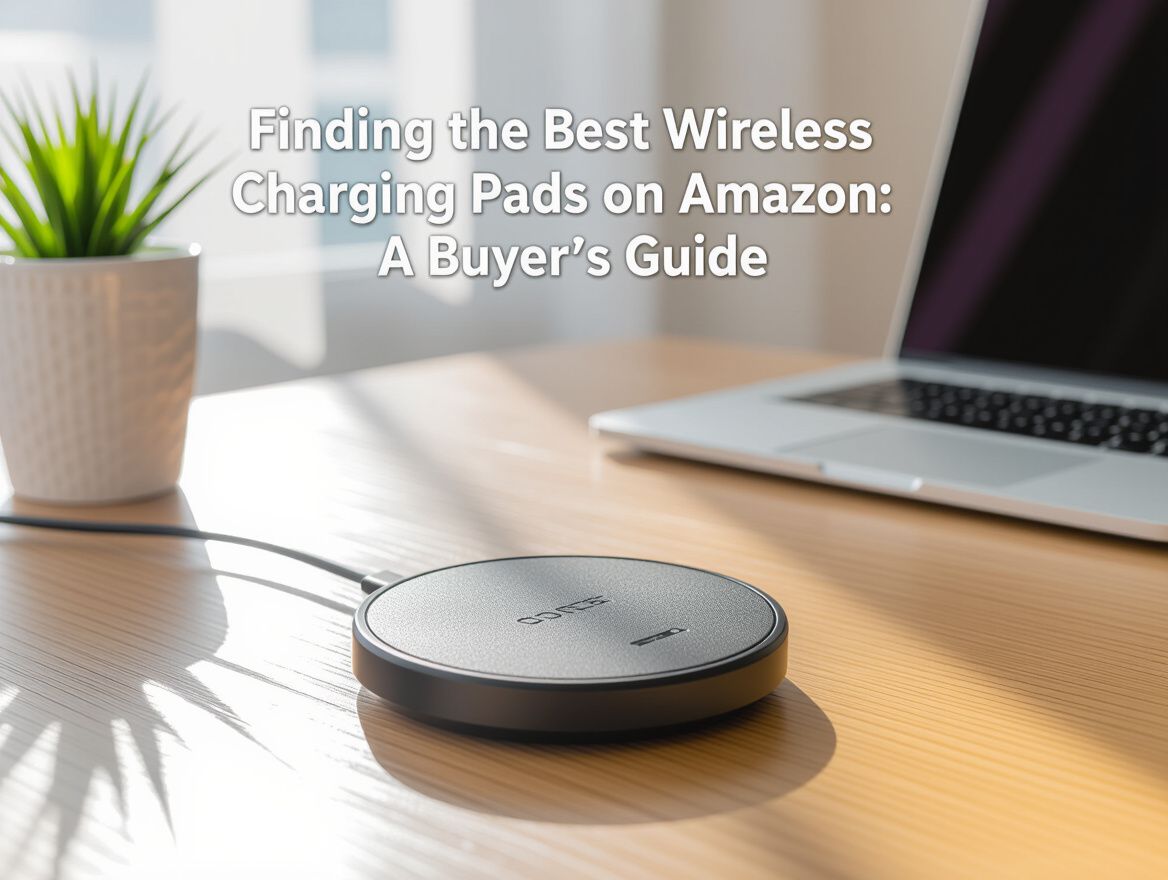
A Complete Guide to Wireless Charging Pads: What You Need to Know
Understanding Wireless Charging Pads
Wireless charging pads represent a modern solution for powering electronic devices without the clutter of cables. Utilizing electromagnetic fields, these pads allow compatible devices to charge simply by being placed on the pad, making the process convenient and user-friendly.
The concept of wireless charging dates back to the late 19th century, with Nikola Tesla's experiments being among the earliest examples. However, it wasn't until the introduction of the Qi standard in 2010 that wireless charging gained widespread acceptance in consumer electronics. This standardization has led to a surge in the availability of wireless charging pads, catering to a variety of devices including smartphones, smartwatches, and earbuds.
Benefits for Users
Wireless charging pads offer several advantages:
- Convenience: No need to fumble with cables; simply place your device on the pad.
- Reduced Wear and Tear: Without the constant plugging and unplugging of cables, both your device's port and the cable itself experience less strain.
- Universal Compatibility: Many wireless charging pads support multiple devices, as long as they adhere to the Qi standard.
- Neatness: Eliminates cable clutter, contributing to a cleaner and more organized space.
As you consider investing in wireless charging pads, it's essential to weigh these benefits against potential trade-offs, such as charging speed and device compatibility. Understanding these factors will help you make an informed decision that best fits your charging needs.
Key Features of Wireless Charging Pads
When selecting a wireless charging pad, it's essential to consider several key features that can impact your charging experience and compatibility with various devices. Here are the primary aspects to evaluate:
-
Charging Speed and Wattage: Different wireless charging pads offer varying wattage levels, typically ranging from 5W to 15W or more. Higher wattage can lead to faster charging times, especially for devices that support rapid charging. Ensure the pad's wattage aligns with your device's capabilities for optimal performance.
-
Compatibility with Devices: Not all wireless charging pads are universally compatible. Check if the pad supports the Qi standard, which is the most common protocol for wireless charging. Additionally, confirm compatibility with your specific device brands and models to avoid any charging issues.
-
Design and Portability: The design of a wireless charging pad can affect its usability and aesthetics. Consider factors like size, materials, and whether it fits well within your workspace or home environment. Portability is also crucial if you plan to carry it around; a lightweight, slim design may be more convenient for travel.
-
Safety Features and Certifications: Safety is paramount when it comes to charging electronics. Look for pads with built-in safety features such as overcharge protection, temperature control, and foreign object detection. Certifications from reputable organizations can also indicate that the product meets safety standards.
By evaluating these features, you can make a more informed decision when purchasing a wireless charging pad that meets your specific needs and expectations.
Wireless Charging Pads vs. Traditional Charging Methods
When considering how to power your devices, understanding the differences between wireless charging pads and traditional wired chargers is essential. Each method has its advantages and drawbacks, which can influence your purchasing decision.
Convenience and Ease of Use
- Wireless Charging Pads: These devices eliminate the need for cables, allowing you to simply place your phone or compatible device on the pad to start charging. This can be particularly beneficial in reducing wear on charging ports.
- Traditional Chargers: While often straightforward, they require you to plug and unplug devices, which can be less convenient, especially in low-light situations or when your hands are full.
Charging Speed Differences
- Wireless Charging Pads: Generally, wireless charging is slower than wired charging. Most wireless pads offer standard charging speeds, which may take longer to fully charge your device compared to a wired connection.
- Traditional Chargers: Wired chargers typically provide faster charging capabilities, making them ideal for quick power-ups when time is of the essence.
Cost-Effectiveness Over Time
- Wireless Charging Pads: The initial investment can be higher, especially for quality models. However, they can extend the lifespan of your device's charging port by reducing wear and tear.
- Traditional Chargers: Usually less expensive upfront, but frequent use can lead to wear on the device’s charging port, potentially leading to costly repairs or replacements over time.
Limitations and Potential Drawbacks
- Wireless Charging Pads: Compatibility can be an issue; not all devices support wireless charging. Additionally, some models may require specific alignment to charge effectively, which can be frustrating.
- Traditional Chargers: They are universally compatible with most devices, but the hassle of cords can lead to clutter and potential tangling.
In summary, when choosing between wireless charging pads and traditional chargers, consider your priorities regarding convenience, speed, cost, and compatibility. Each method has its unique benefits and limitations that can influence your decision based on your lifestyle and device usage.
Buying Criteria for Wireless Charging Pads
When considering a wireless charging pad, several key criteria can guide your purchasing decision. Understanding these factors will help you select a pad that best fits your needs and device compatibility.
-
Device Compatibility: Ensure the charging pad is compatible with your device. Many wireless charging pads support Qi-enabled devices, but it's crucial to check if your specific phone or accessory is included.
-
Charging Speed Requirements: Different pads offer varying charging speeds. If you need quicker charging, look for pads that support fast charging protocols, typically denoted in watts (e.g., 10W, 15W).
-
Budget Considerations: Wireless charging pads are available across a wide price range. Determine your budget beforehand and compare features to find a pad that offers the best value for your investment.
-
Brand Reputation and Warranty Options: Consider purchasing from reputable brands known for quality and customer service. Additionally, check for warranty options, which can provide peace of mind in case of defects or issues.
By evaluating these criteria, you can make a more informed decision when selecting a wireless charging pad that meets your expectations and needs.
Potential Risks and Considerations
When considering wireless charging pads, it's essential to be aware of several potential risks and caveats that could affect their performance and your device's longevity. Here are the key concerns to keep in mind:
-
Overheating Concerns: Wireless charging can generate more heat compared to traditional wired charging. This excess heat can lead to slower charging speeds and may affect the battery's overall health over time. It's advisable to ensure proper ventilation around the charging pad and avoid using it in enclosed spaces.
-
Limited Charging Range: Wireless charging pads usually require precise alignment of the device on the pad. If the device is not correctly positioned, charging may be slow, intermittent, or not occur at all. This limitation can be frustrating, especially if you're accustomed to the flexibility of wired charging.
-
Impact on Battery Health: Continuous use of wireless charging may lead to battery degradation faster than traditional charging methods. While modern devices are designed to handle various charging methods, frequent exposure to heat and inefficient charging cycles could shorten battery lifespan.
-
Incompatibility with Certain Cases or Accessories: Some phone cases, particularly those made of thick materials or containing metallic elements, can interfere with the charging process. This interference may result in slower charging or complete failure to charge. Before purchasing a wireless charging pad, check compatibility with your device's case.
By considering these factors, you can make a more informed decision about whether a wireless charging pad is the right fit for your needs, balancing convenience against potential risks.
Frequently Asked Questions About Wireless Charging Pads
When considering the purchase of wireless charging pads, potential buyers often have several common questions. Here are some important points to help you make an informed decision.
What devices are compatible with wireless charging pads?
Wireless charging pads primarily use the Qi standard, which is supported by many modern smartphones, including models from Apple, Samsung, Google, and others. Additionally, some smartwatches and wireless earbuds are also compatible. However, always check the specifications of your device to ensure compatibility, as older models may not support this technology.
How does the charging speed compare to wired charging?
Charging speeds for wireless charging pads can vary significantly. Generally, wireless chargers offer slower charging speeds compared to wired chargers. Most wireless pads provide around 5W to 15W of power, while wired chargers can deliver up to 20W or more, depending on the device. If speed is a priority, consider your device's compatibility with fast wireless charging technologies.
Can I use my phone while it charges wirelessly?
Yes, you can typically use your phone while it charges on a wireless pad. However, keep in mind that using power-intensive applications may slow down the charging process. Additionally, maintaining a clear line of sight between the charger and device is essential for optimal charging efficiency.
What are the best practices for maintaining a wireless charging pad?
To ensure the longevity and efficiency of your wireless charging pad, follow these best practices:
- Keep it clean: Regularly wipe down the charging surface to remove dust and debris.
- Avoid overheating: Ensure that the pad is placed in a well-ventilated area to prevent overheating during use.
- Use compatible cases: If your device has a case, ensure it is compatible with wireless charging, as thick or metal cases can interfere with the charging process.
By addressing these common questions, you can better understand the features and considerations of wireless charging pads, helping you make a more confident purchasing decision.
Final Thoughts on Wireless Charging Pads
Wireless charging pads offer a convenient and efficient way to power your devices without the hassle of tangled cords. Their primary benefits include ease of use, reduced wear on charging ports, and compatibility with a range of devices that support Qi charging technology. These pads can enhance your charging experience, especially when you consider the following features:
- Ease of Use: Simply place your device on the pad to start charging, eliminating the need for plugging and unplugging cables.
- Compatibility: Many modern smartphones, smartwatches, and other gadgets are compatible with wireless charging, making it a versatile solution for multiple devices.
- Design Variety: Wireless charging pads come in various designs and sizes, allowing you to choose one that fits your aesthetic preferences and workspace.
When considering a wireless charging pad, it's essential to evaluate your personal needs and preferences. Think about the following:
- Device Compatibility: Ensure that your devices support wireless charging and check the specifications for optimal performance.
- Charging Speed: Look for pads that offer fast charging capabilities if you need quicker power-ups.
- Placement and Space: Consider where you plan to use the pad. Some models are designed for desks, while others may work better in a car or nightstand setting.
As you explore your options, remember to weigh the trade-offs associated with wireless charging. While convenient, some users may notice slower charging speeds compared to traditional wired chargers, particularly with devices that require higher power output.
In summary, wireless charging pads can simplify your charging routine and reduce wear on your devices. By considering your specific needs and preferences, you can find a product that enhances your daily tech experience. Take the time to explore various options to find the right fit for your lifestyle.